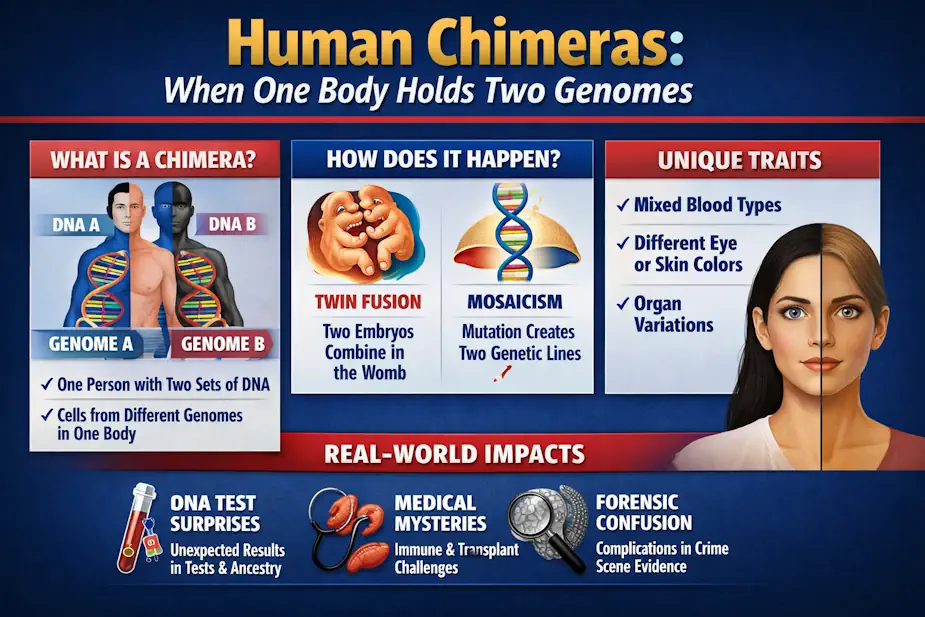
 Figure 1: How two genomes can exist in one body, leading to mismatched eye colors or even different blood types in different tissues.
Forget the standard “pump and pipes” view of the heart and lungs. Today, we are stepping into the realm of the unusual—the kind of rare biological phenomena that challenge our very definition of what it means to be a “single” person.
As we move through 2026, our understanding of the human body has shifted. We no longer see it as a static machine, but as a dynamic, bioelectric, and multi-genomic ecosystem. Let’s explore the stories hidden in your cells.
Imagine walking through life with two different genetic identities quietly coexisting inside you. Not metaphorically—literally. This is chimerism, a rare but very real biological phenomenon where two fertilized eggs—each with its own DNA—fuse in the earliest days of development. Instead of becoming twins, they merge into a single embryo.
In the first days after conception, two embryos can drift close enough to fuse completely. Their cells intermingle, divide, and build a single human being—each cell line carrying its own genetic signature. Most chimeras never know. The duality is silent, subtle, and often invisible.
But sometimes, it leaves clues.
When the Mosaic Shows Itself Chimerism can reveal itself in surprising ways:
*Mismatched eye colors
*Patchwork skin tones
*Ambiguous or shifting blood types
Unexpected results in DNA tests—including cases where a mother’s DNA doesn’t match her own children because the “mother” in her reproductive tissues is genetically a twin she absorbed in the womb
These aren’t anomalies—they’re echoes of the second genome living alongside the first.
Human chimeras remind us that development is not always linear or predictable. Sometimes biology improvises. Sometimes two beginnings become one life.
Figure 1: How two genomes can exist in one body, leading to mismatched eye colors or even different blood types in different tissues.
While you sleep, your brain isn’t resting—it’s hard at work performing a high‑pressure wash. Imagine a silent cleaning crew moving through your neural corridors. As consciousness fades, the glymphatic system—a fluid‑based waste‑clearance network—springs to life.
During deep sleep, cerebrospinal fluid pulses rhythmically through your brain tissue, sweeping away metabolic “trash” like amyloid‑beta, the same protein linked to Alzheimer’s disease. Glial cells act as gatekeepers, guiding the fluid through hidden channels that expand only when you’re in your deepest slumber.
By morning, your brain has rinsed itself clean, refreshed for memory, focus, and creativity. Sleep isn’t just rest—it’s maintenance, repair, and renewal at the cellular level.
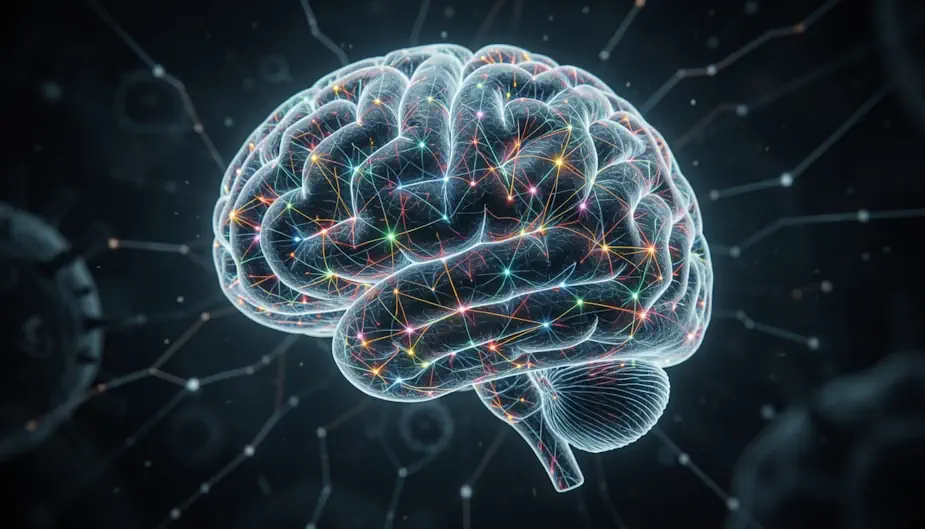 Figure 2: The glymphatic system serves as the brain’s nightly detox network, flushing out toxins while you sleep.
A Hidden Majority
Trillions of bacteria, viruses, and fungi live within your gut, forming a bustling metropolis known as the microbiota. Each species plays a role—digesting fiber, producing vitamins, training your immune system, and even shaping your emotions.
This microbial community doesn’t just process food; it talks directly to your brain through the gut‑brain axis. Chemical messengers like serotonin, dopamine, and short‑chain fatty acids travel along the vagus nerve, sending updates from your intestines to your mind. When your microbiota thrives, you feel balanced and resilient. When it falters, inflammation and mood shifts can follow.
You feed them, they protect you. Every meal, every thought, every stress response ripples through this living network. Caring for your microbiota—through whole foods, rest, and calm—means caring for your mental clarity and immune strength.
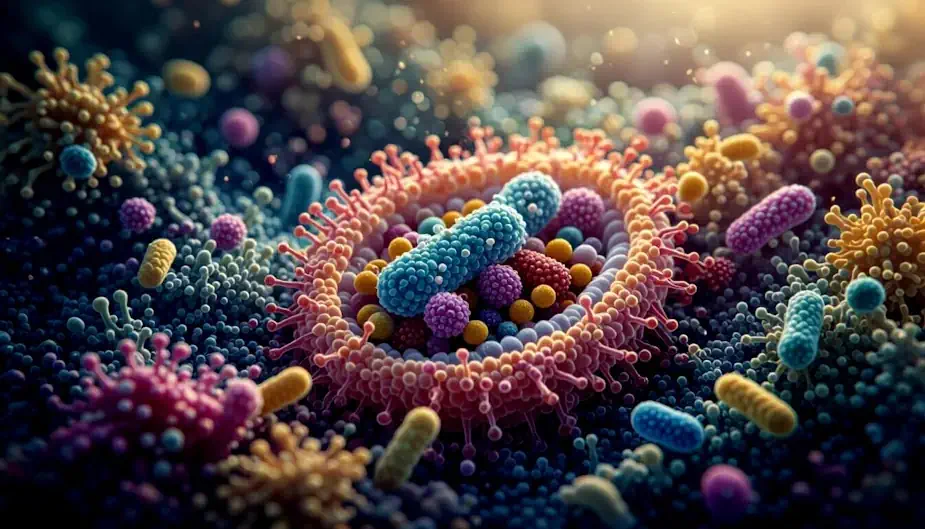 Figure 3: This diverse community of bacteria influences everything from digestion to mental clarity.
The placebo effect is one of the most astonishing demonstrations of how the mind shapes the body. It isn’t a trick, and it isn’t “imagined improvement.” It’s alchemy—the mind transforming expectation into measurable biology.
A person takes a pill they believe will ease their pain. The pill contains no active drug… yet something remarkable happens. The brain, anticipating relief, releases its own endorphins—natural opioids that soothe discomfort. At the same time, dopamine rises, lifting mood and reinforcing the sense that healing is underway.
This cascade isn’t symbolic; it’s chemical. MRI scans show real changes in brain regions tied to pain, reward, and emotional regulation. The body responds as if a genuine medication has been delivered.
The placebo effect reveals a deeper truth: Your beliefs, hopes, and interpretations are not passive thoughts—they are active biological signals. When aligned toward healing, they can shift physiology, reduce symptoms, and enhance resilience.
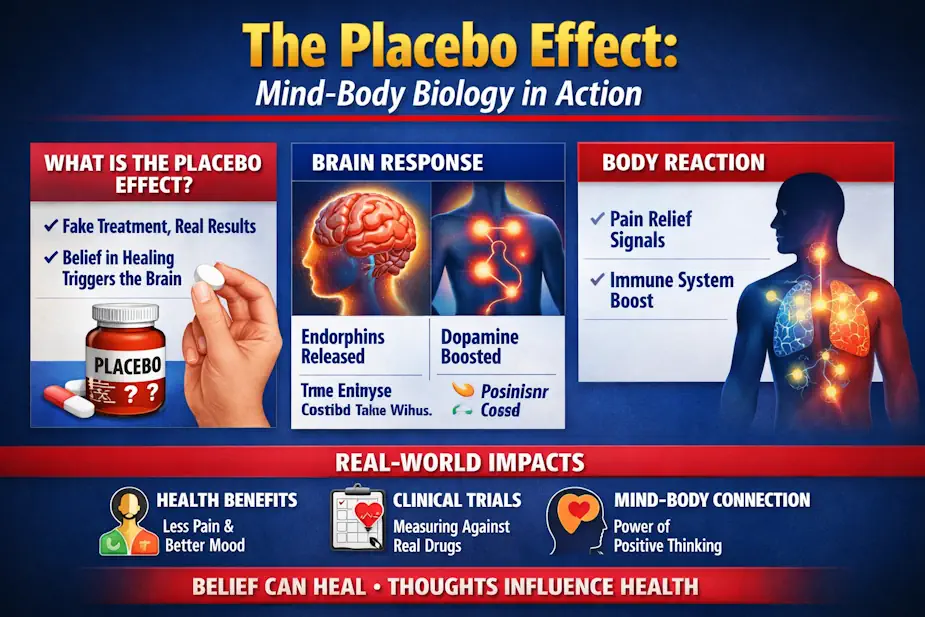 Figure 4: How expectation activates brain chemistry to spark real physiological change.
Inside you is a pharmacy more elegant than anything on a shelf. Every moment, your nervous system is quietly producing endorphins and enkephalins—your body’s own painkillers and mood‑lifters. These molecules are part of an ancient survival system, designed to help you push through injury, stress, and effort.
This internal pharmacy opens its doors during some of the most human experiences:
A deep laugh that shakes your ribs
Music that hits the right emotional frequency
A long walk or steady exercise that warms your muscles
In those moments, your brain releases these natural opioids, easing discomfort and creating a sense of well‑being. They don’t just dull pain—they elevate mood, sharpen resilience, and help you feel more grounded in your body.
Endogenous opioids remind us that healing isn’t always external. Sometimes the most powerful medicine is already inside you, waiting for the right signal to flow.
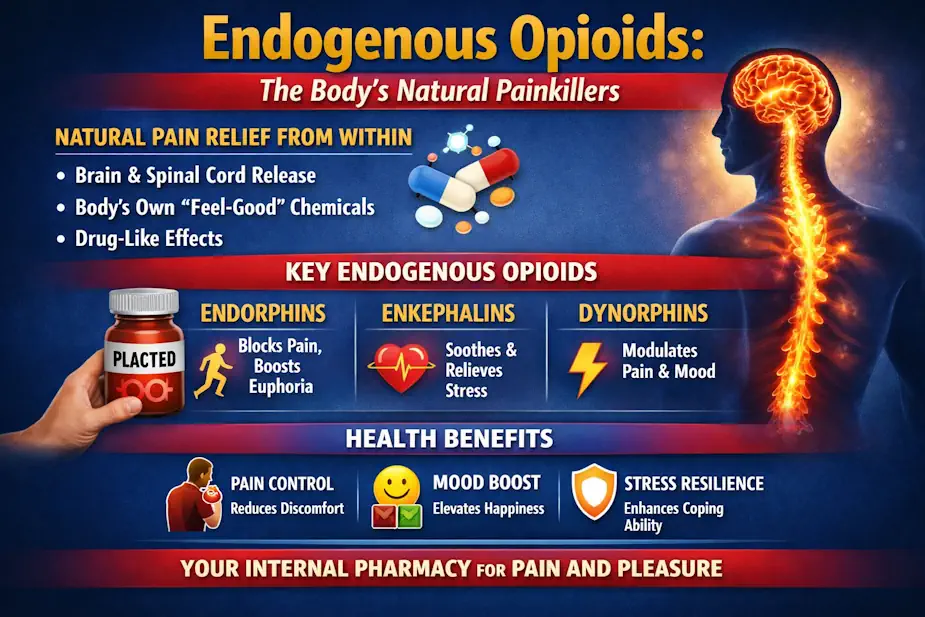 Figure 5: Your brain’s chemistry mirrors medical painkillers through natural opioids.
Your skeleton may feel solid and unchanging, but it’s anything but static. Ounce for ounce, your bones are stronger than steel—yet far more alive. They behave like a living skyscraper: always occupied, always under renovation, always adapting to the demands you place on it.
Inside every bone, two specialized crews work around the clock:
Osteoclasts — the demolition team They dissolve old, weakened bone, clearing out micro‑damage you never even feel.
Osteoblasts — the master builders They lay down fresh, strong tissue, weaving new mineral scaffolding that reinforces your frame.
This coordinated cycle is called remodeling, and it’s one of the most elegant repair systems in biology.
Every step you take, every weight you lift, every bit of pressure you place on your skeleton sends a message: “Reinforce here.”
They thicken, strengthen, and reorganize themselves along the lines of stress—just like a skyscraper adding steel beams where the wind hits hardest.
Remodeling never stops. It repairs microfractures, maintains density, and keeps your skeleton resilient through decades of movement, growth, and aging.
They’re dynamic, intelligent structures—constantly rebuilding the architecture that carries you through life.
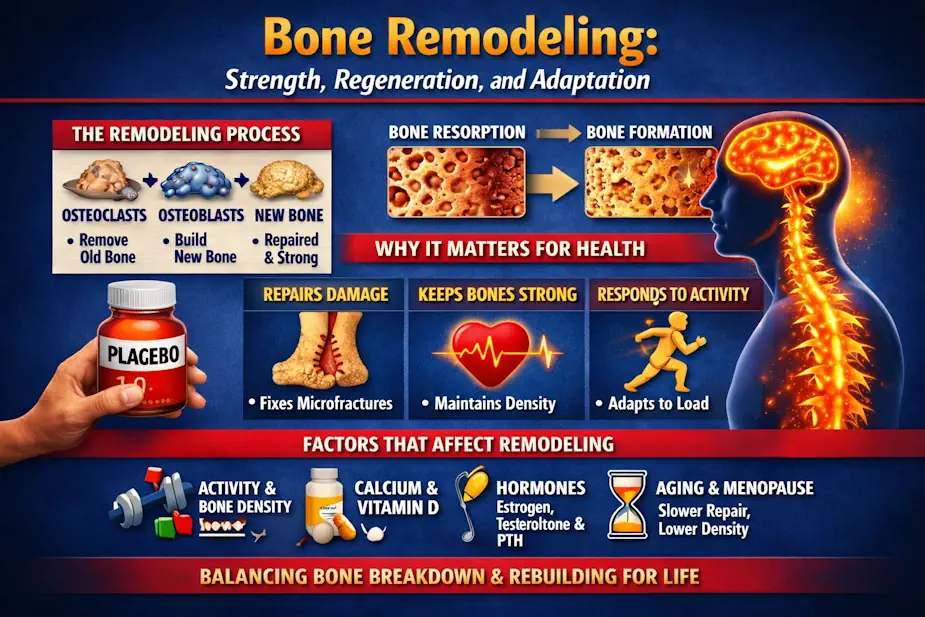 Figure 6: Osteoclasts and osteoblasts work together to keep bones strong and adaptive.
Your DNA is often described as the “blueprint” of your body, but that metaphor misses something essential. A blueprint is fixed. Your biology is not.
Your DNA is the script, but epigenetics is the director—deciding which scenes get emphasis, which lines get whispered, and which never make it into the final cut.
Every experience you live—what you eat, how you move, how you handle stress—places tiny chemical “tags” on your genes. These tags don’t rewrite the DNA code. Instead, they act like sticky notes telling your cells:
Turn this gene on.
Dial this one down.
Silence this one for now.
This is epigenetics: a dynamic system that shapes how your genes behave in real time.
A nutrient‑dense meal can activate genes that reduce inflammation. Chronic stress can flip on pathways that accelerate aging. Movement can awaken genes that build mitochondria and strengthen resilience.
Your environment, your habits, your inner world—they all speak to your genome.
Epigenetics reveals a liberating truth: You are not simply the sum of the genes you inherited. You are the ongoing editor of your biological story.
Your choices, your environment, your mindset—they all help direct the next scene.
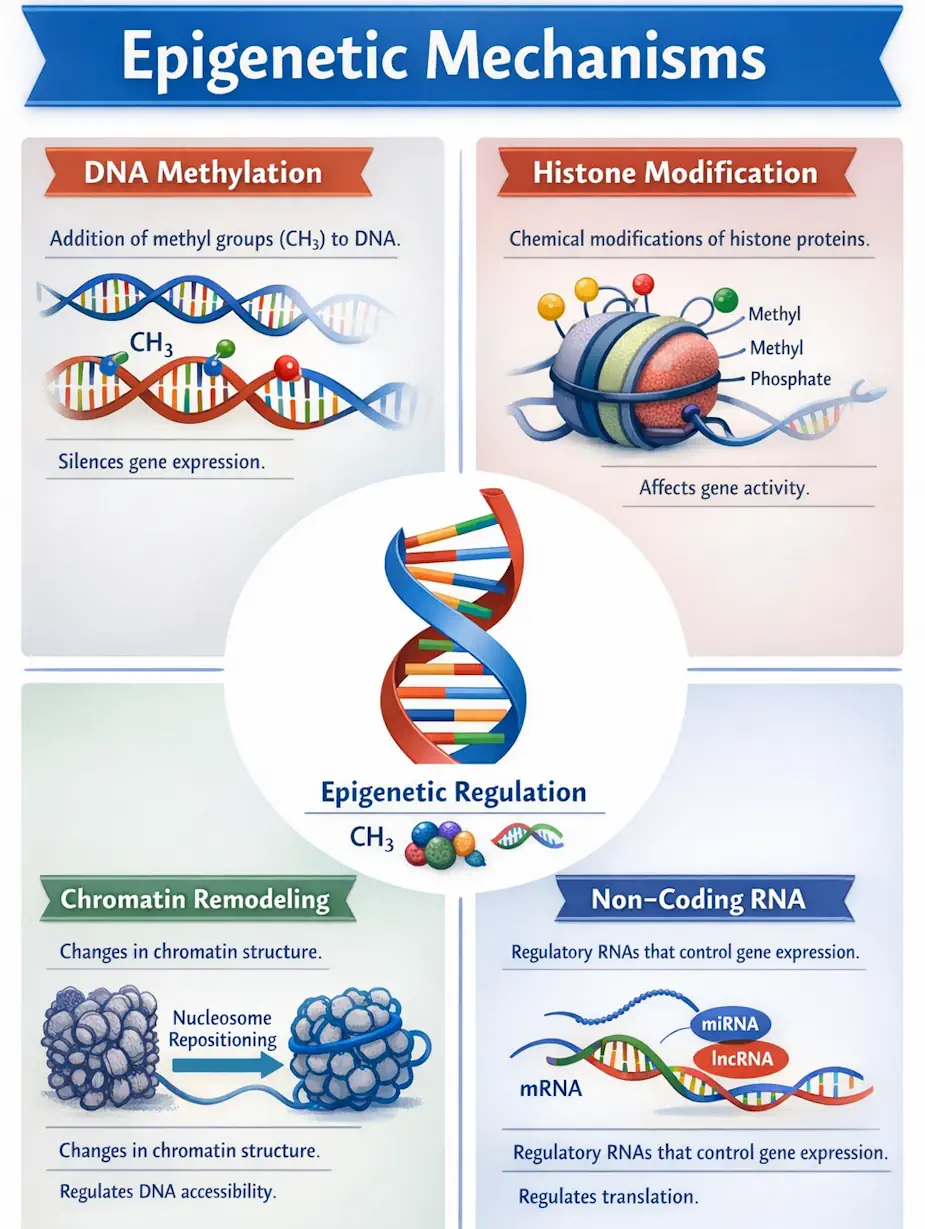 Figure 7: How life experiences influence gene activity without altering the DNA sequence.
During pregnancy, something extraordinary happens—far beyond what most biology textbooks ever mention. Cells begin to cross the placenta in both directions, creating a quiet exchange between mother and fetus. These traveling cells take root, forming a lifelong biological connection known as microchimerism.
Long after birth, fetal cells can still be found in a mother’s heart, brain, thyroid, liver, and even her bloodstream. They don’t fade away. They persist for decades—sometimes for the rest of her life.
These cells are genetically distinct from the mother, yet they live within her tissues like a subtle, living echo of the child she carried.
Recent research suggests these “legacy cells” may act like a mobile repair kit. When the mother is injured—whether it’s a damaged heart valve, inflamed tissue, or a wound—these fetal cells migrate to the site, transforming into the cell types needed for healing.
Microchimerism reveals a profound truth: pregnancy leaves a cellular imprint that endures. A mother carries pieces of her children within her—cells that may help protect, repair, and strengthen her long after the pregnancy is over.
Connection written into tissue. A story of healing that continues long after birth.
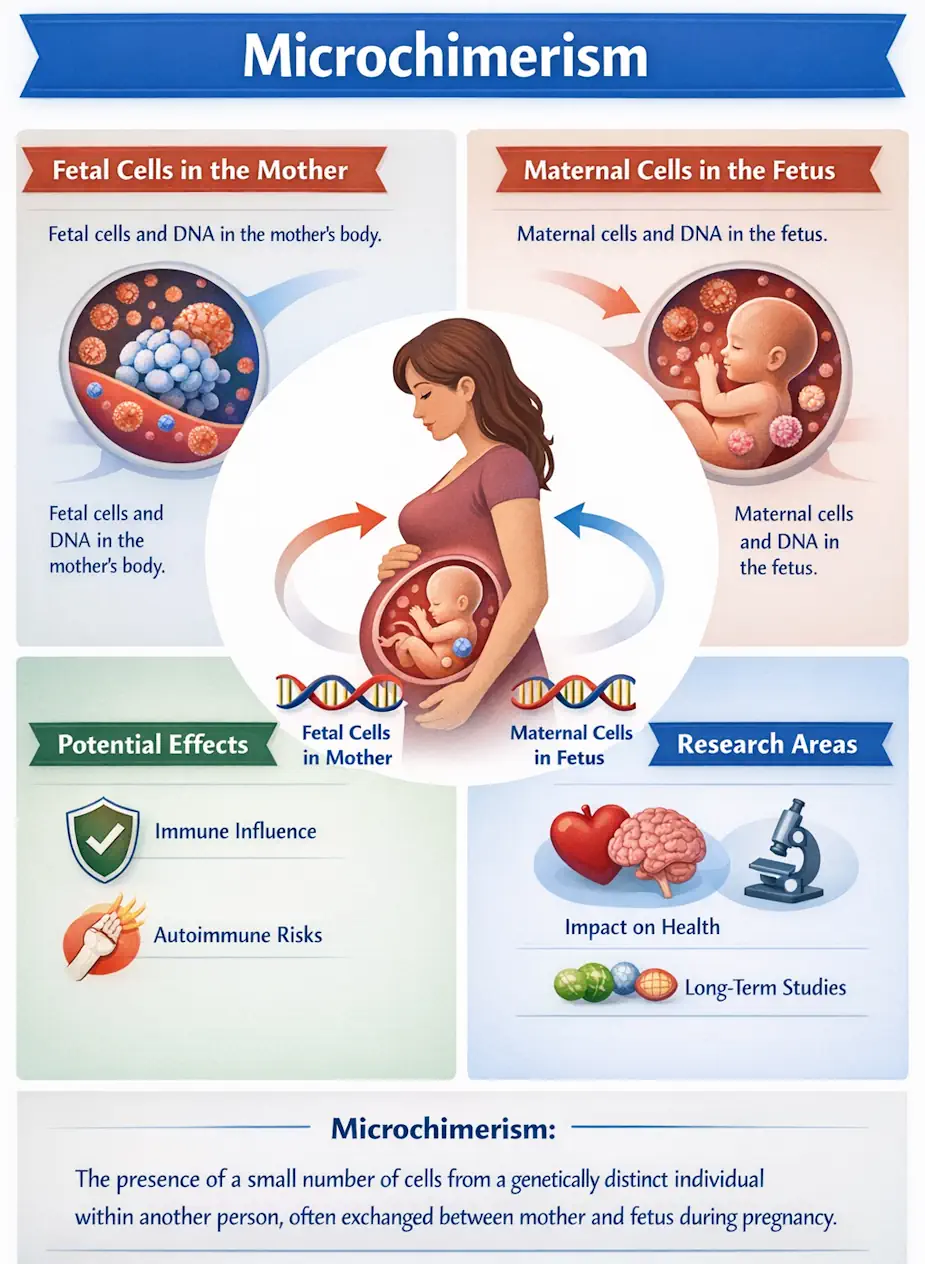 Figure 8: Cells from another person living inside you can influence immune function and tissue repair.
Beyond chemistry, you are powered by electricity—a quiet, constant current flowing through every cell you have. Each cell carries a tiny voltage, a difference in charge across its membrane. It’s not random. It’s a biological GPS, a set of electrical instructions that tells cells where to go, what to become, and when to repair.
This bioelectric code is ancient and astonishingly precise. It choreographs your heartbeat, synchronizing billions of cells into a single rhythmic pulse. It guides wound healing, pulling skin cells toward an injury like iron filings to a magnet. It even shapes your body during development—mapping out limbs, organs, and symmetry long before genes finish their work.
Cells don’t just communicate with chemicals. They talk in voltage, sending signals that ripple across tissues like messages in a living circuit. When this electrical pattern is disrupted, healing slows, tissues weaken, and biological instructions become fuzzy.
But when the pattern is strong and coherent, your body repairs, regenerates, and coordinates itself with remarkable intelligence.
Bioelectricity is the spark behind life’s organization. It’s the quiet force that keeps your heart beating, your wounds closing, and your cells aligned with their purpose.
You’re circuitry—alive, dynamic, and electrically orchestrated.
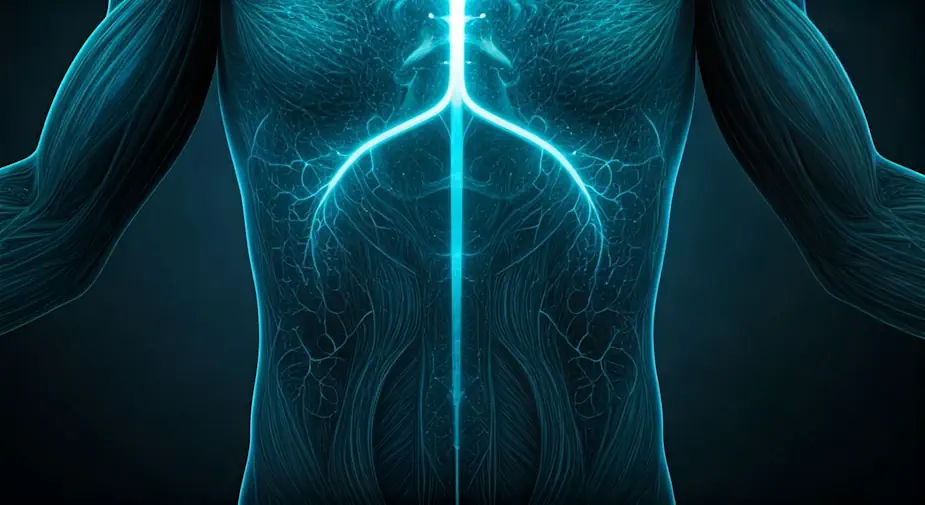 Figure 9: Invisible currents that power thought, movement, and life itself.
We are entering an era where “human hibernation” is shifting from science fiction to scientific possibility. For decades, torpor—the deep, low‑energy sleep used by animals like bears, ground squirrels, and even some birds—was viewed as a biological trick humans simply didn’t have. But researchers are now uncovering the switches that allow animals to dial down metabolism, conserve energy, and survive extreme conditions.
By studying these natural hibernators, scientists are beginning to map out how to safely guide humans into a similar state. The goal isn’t months‑long slumber. It’s something more precise: a controlled metabolic pause, where the body cools, oxygen demand drops, and cellular activity slows to a protective crawl.
Imagine a patient in a medical crisis—severe trauma, cardiac arrest, or massive infection. Minutes matter. But what if we could buy hours?
Inducing a torpor‑like state could give doctors precious time to repair damage, stabilize organs, and prevent cascading failure. Early experiments in animals—and carefully monitored trials in humans—suggest this may one day be possible.
Human hibernation isn’t about sleeping through winters or space voyages… not yet. It’s about unlocking a survival tool hidden in biology’s playbook—one that could transform emergency medicine, trauma care, and perhaps even long‑duration space travel.
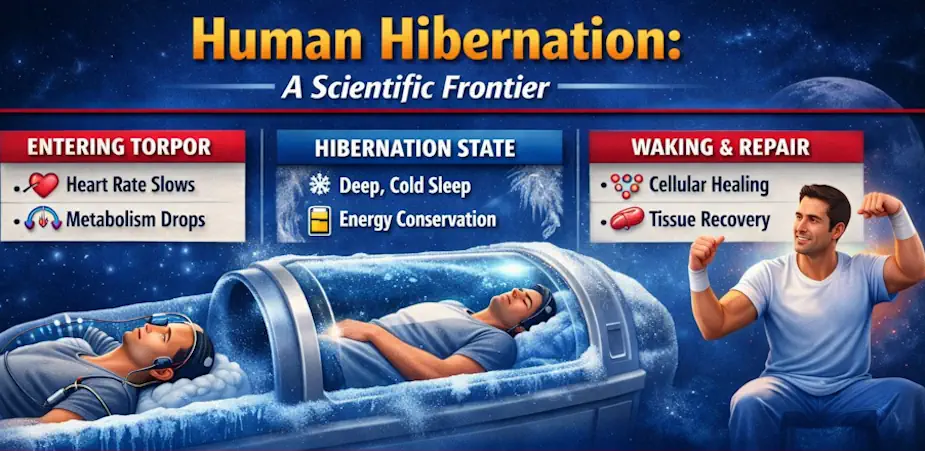 Figure 10: Exploring how metabolic slowing could transform medicine and space travel.
Q: Is human chimerism common? It is considered uncommon but likely more frequent than once believed. Advances in genetic testing are helping us identify it in adults more often in 2026.
Q: Does the brain really detox during sleep? Yes. The glymphatic system is most active during deep sleep. This is why high-quality rest is a non-negotiable part of maintaining your cognitive healthspan.
Q: Can I naturally boost my “natural painkillers”? Absolutely. Rhythmic movement, laughter, and social bonding are all clinically proven ways to trigger the release of endogenous opioids.
The human body is far more adaptable and mysterious than we once realized. As we move through 2026, the lines between “uncommon fact” and “standard medicine” continue to blur. You are a walking universe of trillions of cells, all working together in a bioelectric dance that keeps you resilient.