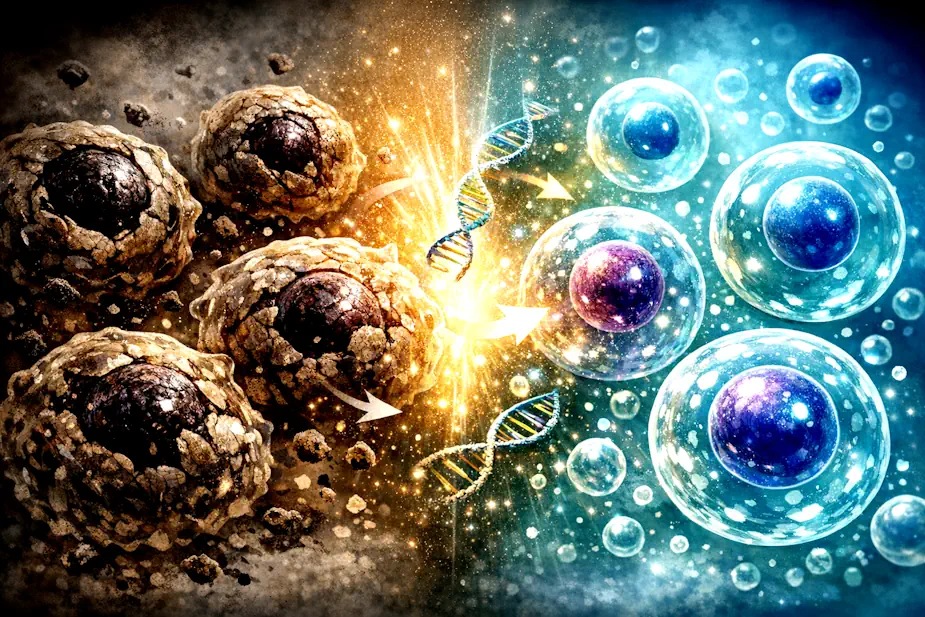
 Visual representation of restoring cellular systems to more youthful function via 2026 biotechnology.
Aging research has entered a transformative era, revealing that biological aging is not fixed. In early 2026, the focus has shifted from “life extension” to “Healthspan Optimization.” Breakthroughs in cellular repair, inflammation control (specifically targeting the IL-11 cytokine), and epigenetic reprogramming now offer realistic pathways to “turn back the clock.”
This guide helps you understand the 2026 science, evaluate emerging therapies, and prepare for informed conversations with your healthcare team.
Vascular Bridge Disclaimer: This content is for informational and educational purposes. As a patient advocate, I emphasize that these protocols must be integrated into your existing clinical care for heart health and diabetes.
Visual representation of restoring cellular systems to more youthful function via 2026 biotechnology.
Today, we understand that biological age—the health of your cells and tissues—is the true metric of longevity. In 2026, the gold standard for measuring this is the DunedinPACE clock, which measures the speed of aging rather than just a snapshot in time.
Biological aging is driven by four primary “Vascular Blocks”:
A landmark discovery in 2024-2025 revealed that a protein called Interleukin-11 (IL-11) is a master switch for aging. By blocking this protein, researchers have successfully extended lifespan in models by 25% while improving muscle strength and reducing body fat. In 2026, the first human trials for IL-11 inhibitors are targeting fibrosis and systemic inflammation.
We are now moving into “Partial Reprogramming.” Using specific genes (Yamanaka factors), scientists can “refresh” a cell’s identity without turning it back into a stem cell. This has shown success in 2026 for restoring vision and improving kidney function in aging tissues.
Senolytic combinations (like Dasatinib + Quercetin or newer 2026 targeted peptides) are being used to selectively clear “zombie cells.” This process “cools down” systemic inflammation, allowing the body’s natural repair systems to function again.
Use this framework to evaluate if an intervention aligns with your 2026 targets.
Ensure any “clock-turning” therapy doesn’t compromise your baseline:
| Term | 2026 Clinical Context |
|---|---|
| IL-11 | A pro-inflammatory cytokine that drives fibrosis and aging; a primary 2026 therapeutic target. |
| DunedinPACE | A 3rd-generation “Epigenetic Clock” that measures the current speed of your aging. |
| Senescence | The state where cells stop dividing but stay active, causing “Inflammaging.” |
| Autophagy | The body’s “recycling” system; activated by fasting and specific 2026 “mimetic” compounds. |
| Vascular Bridge | The concept that liver, heart, and brain health are connected by the integrity of the blood vessels. |
Q1: Can I actually change my “Inflammation Pattern”? Yes. In 2026, we know that chronic inflammation isn’t just “part of getting old.” Targeted nutrition, specifically a Mediterranean-Plus diet high in polyphenols, can significantly lower IL-6 and IL-11 markers.
Q2: Is “Cellular Cleanup” (Autophagy) safe for seniors over 70? It is, provided you maintain your protein targets (1.2-1.6 g/kg). Fasting-mimicking diets can be risky for seniors if they lead to muscle loss (sarcopenia). Balance is the 2026 priority.
Q3: Does the Shingles vaccine affect biological age? Fascinatingly, 2025 data suggests that the Shingles vaccine may reduce the risk of cognitive decline by lowering the systemic “viral load” that keeps the immune system in a state of constant, aging-accelerating alert.
Note for Advocates: Many symptoms labeled as “just aging” are actually metabolic mimics. Low B12, subclinical hypothyroidism, or portal hypertension can mimic the fatigue and cognitive drift associated with advanced aging. Always rule out these reversible conditions before pursuing high-level longevity therapies.
If you are interested in measuring your own biological pace, download our 2026 Biological Age Lab Tracker and take it to your next appointment.