Family Health Vaccines: Choosing Pharmacies or Clinics for Care
Learn how pharmacies and clinics support family vaccination needs, including safety, convenience, eligibility, and how to choose the right setting for each family member.
A Complete Guide to Vaccine Access, Safety, and Smart Family Decision‑Making
Families today rely on a mix of pharmacies and medical clinics to stay healthy, but navigating these options can sometimes feel overwhelming. From routine flu shots to childhood immunizations and senior boosters, choosing the right setting matters.
This guide explains how pharmacies and clinics differ, when each is most appropriate, and how families can make informed, confident vaccination decisions. The goal is simple: help you walk into any appointment or pharmacy counter prepared, informed, and comfortable asking the right questions.
Medical Disclaimer:
This content is for informational and educational purposes only. It is not a substitute for professional medical advice, diagnosis, or treatment. Always consult a qualified healthcare provider regarding vaccination decisions and health conditions.
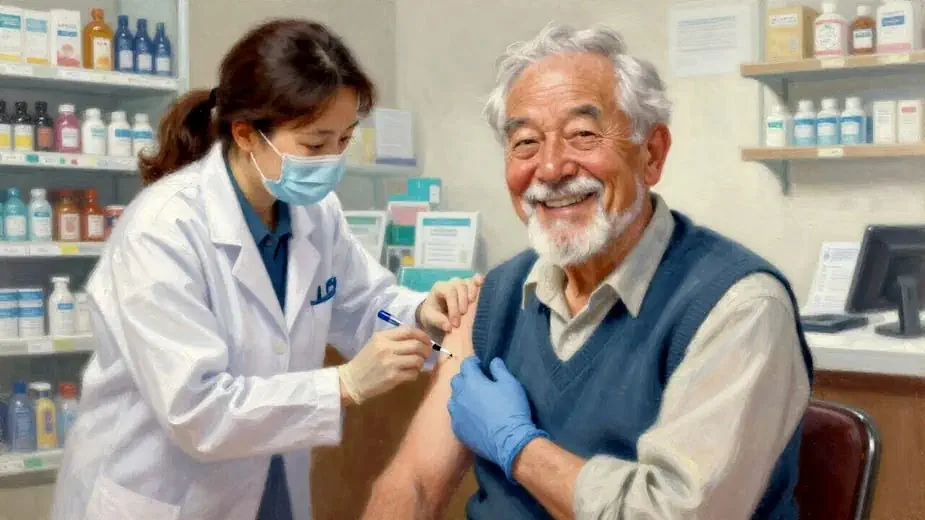 Figure 1: Vaccinations strengthen immunity, reduce disease spread, and protect individuals and communities across all age groups.
⭐ Key Takeaways
- Convenience matters: Pharmacies offer fast, walk‑in access for routine adult vaccinations.
- Complex care needs coordination: Clinics remain essential for children, seniors with multiple conditions, and patients with complex medical histories.
- Planning improves outcomes: Knowing where to go saves time and reduces missed or delayed vaccines.
- Clear communication helps: Asking the right questions improves safety and follow‑up care.
Why Vaccines Matter for Family Health
Vaccines protect individuals while strengthening public health. They reduce the risk of severe illness, complications, hospitalizations, and long‑term health consequences—especially for infants, older adults, and people with weakened immune systems.
For families, staying current on recommended vaccines is one of the most effective preventive steps available.
The Role of Herd Protection
When a large portion of the population is vaccinated, disease transmission slows dramatically. This protects:
- Newborns too young to be fully immunized
- Older adults with chronic conditions
- Individuals undergoing cancer treatment or living with immune disorders
Herd protection benefits everyone, even those who cannot safely receive certain vaccines.
🏥 Pharmacies vs. Clinics: Understanding the Differences
Both pharmacies and clinics are regulated, safe, and effective vaccination sites—but they serve different needs.
💊 Pharmacies: Fast, Flexible, and Accessible
Pharmacies are ideal for adults and teens seeking routine or seasonal vaccines, including:
- Influenza (flu)
- COVID‑19 boosters
- Shingles (Shingrix)
- Tdap or Td boosters
Why pharmacies work well
- Extended evening and weekend hours
- Walk‑in availability
- Convenient locations in many communities
Case Study: The Rural Parent
The Situation: A grandmother in rural Missouri needed a Tdap booster before visiting her newborn grandchild.
The Hurdle: Her primary care clinic was booked for several weeks.
The Outcome: A local pharmacy provided same‑day vaccination, allowing her to safely meet her grandchild on time.
🩺 Clinics: Coordinated, Comprehensive Care
Medical clinics are often the best choice for:
- Children under 12
- Multi‑dose vaccine schedules
- Patients with chronic illnesses
- Individuals with complex medication histories
Clinics provide full access to medical records, provider oversight, and coordinated follow‑up care.
Case Study: The Child with Asthma
The Situation: A 7‑year‑old with moderate asthma required routine childhood immunizations.
The Benefit: The pediatric clinic reviewed medical history, adjusted timing to reduce respiratory risk, and monitored the child after vaccination.
🚦 Quick Decision Guide: Where Should You Go?
- Routine adult vaccine? → Pharmacy or clinic
- Patient under age 12? → Clinic recommended
- Chronic illness or immune condition? → Clinic preferred
- Need same‑day or after‑hours service? → Pharmacy ideal
- Starting a multi‑dose series? → Clinic preferred for tracking
How Vaccines Work: A Simple Explanation
Vaccines introduce a harmless piece of a virus or bacteria—or instructions for making one—to the immune system. This allows the body to learn how to recognize and fight the real pathogen later, without causing the disease itself.
Over time, the immune system remembers this exposure, enabling faster and stronger protection.
📖 Clinical Glossary
| Term | Definition | |——|————| | Adjuvant | A substance added to vaccines to strengthen immune response | | Contraindication | A medical reason a vaccine should not be given | | Herd Immunity | Community‑level protection when vaccination rates are high | | Immunogenicity | How effectively a vaccine triggers immune protection | | Seroconversion | Development of detectable antibodies in the blood |
👵 Senior Questions & FAQs
Can vaccine side effects feel stronger with age?
Immune responses may change with aging, but vaccines remain the best defense against severe illness, complications, and hospitalization in older adults.
Is pharmacy vaccination safe for people on multiple medications?
Yes. Pharmacists are trained to review medication interactions and screen for contraindications before administering vaccines.
When should adults get a pneumonia vaccine?
Many adults aged 65+ need it once, but timing depends on health history, risk factors, and prior vaccinations. A healthcare provider can advise the best schedule.
📚 Fact‑Checked & Professional Sources
- Centers for Disease Control and Prevention (CDC): Adult Immunization Schedules
- World Health Organization (WHO): Vaccine Safety and Immunization Standards
- Our World in Data: Global Vaccination Trends
- Expert Review of Vaccines: Adolescent and Adult Immunization Research
Final Thought
Pharmacies and clinics are not competitors—they are complementary tools. Choosing the right vaccination setting for each family member improves safety, convenience, and long‑term health outcomes. Being informed is the first step toward proactive, confident preventive care.