Grains: Friend or Foe? Whole Grains and Health
If you are trying to improve gut health, brain function, blood sugar control, or weight management, learn when whole grains may help—and when they may need to be limited or avoided.
As we age, our nutritional needs change—and so do the questions we ask about what truly supports long‑term health. One of the most debated topics in senior nutrition is grains.
Are whole grains essential for healthy aging, or can they quietly undermine gut, metabolic, and cognitive health in certain individuals?
Medical Disclaimer:
This article is for educational purposes only and does not replace professional medical advice, diagnosis, or treatment. Always consult a qualified healthcare provider or registered dietitian before making dietary changes.
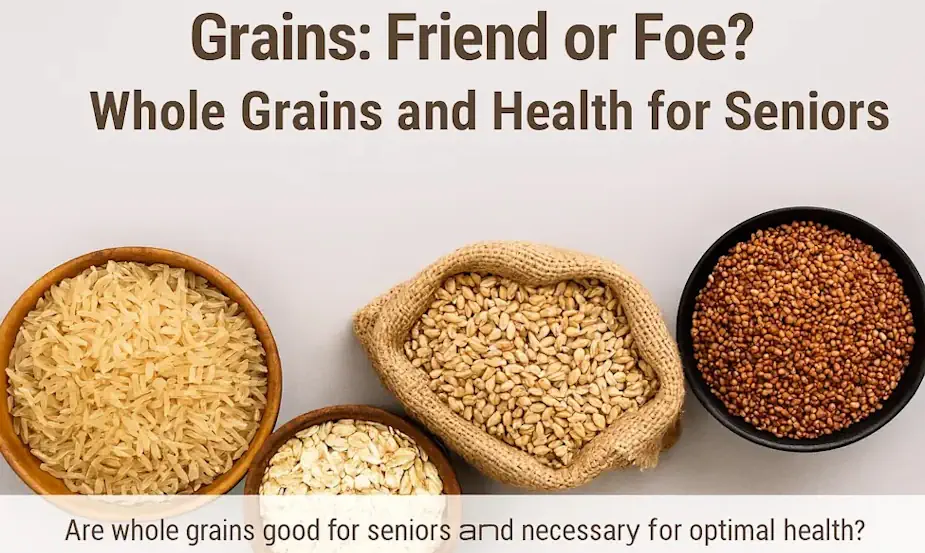 Figure 1: Whole grains are widely recommended—but are they appropriate for every senior?
Quick Guide: Grains and Senior Nutrition
| Focus Area | Practical Takeaway |
|---|---|
| Key Benefit | Fiber supports digestive and cardiovascular health |
| Primary Risk | Refined grains can spike blood sugar and insulin |
| Best Choices | Quinoa, steel‑cut oats, barley, brown rice |
| Caution Groups | Diabetes, insulin resistance, gut sensitivity |
Are Whole Grains Necessary After Age 65?
The short answer: It depends.
Metabolic health, digestive tolerance, inflammation levels, and grain quality all matter. For some seniors, intact whole grains are beneficial. For others, even whole grains may worsen blood sugar control, joint pain, or gut symptoms.
Let’s examine what the science—and clinical experience—actually show.
What Are Whole Grains?
A grain is considered whole when it retains all three parts of the kernel:
- Bran: Fiber‑rich outer layer
- Germ: Nutrient‑dense core (vitamins, minerals, fats)
- Endosperm: Starchy energy reserve
Examples include oats, quinoa, barley, bulgur, millet, and whole wheat.
By contrast, refined grains (white bread, white rice, pastries) have the bran and germ removed—eliminating most fiber, micronutrients, and roughly 25% of the protein.
Potential Benefits of Whole Grains for Seniors
Research associates intact whole grains with:
- Heart health: Lower LDL cholesterol and improved blood pressure
- Digestive regularity: Fiber supports gut motility and microbiome health
- Blood sugar moderation: Lower glycemic load than refined flours
- Cognitive support: Linked to improved vascular health and reduced cognitive decline risk
- Weight management: Increased satiety without calorie restriction
These benefits are strongest when whole grains replace refined grains, not protein or vegetables.
When Grains Become a Problem
Whole grains are not universally tolerated. Seniors may need caution if they experience:
- Insulin resistance or Type 2 diabetes: Even whole grains add significant carbohydrate load
- Mineral concerns: Phytic acid can reduce absorption of zinc, magnesium, and calcium
- Gluten sensitivity: Wheat, rye, and barley can provoke symptoms even without celiac disease
- Chronic inflammation or autoimmunity: Some individuals note joint pain, bloating, or fatigue
This does not mean grains are inherently harmful—but they are context‑dependent.
Expert Insight: Do Grains Cause Inflammation?
Integrative physician Dr. Andrew Weil emphasizes a critical distinction:
The inflammatory issue is often refined flour products, not intact whole grains.
Key points:
- High‑glycemic foods raise blood sugar rapidly, producing inflammatory advanced glycation end products (AGEs)
- Whole kernels digest more slowly, altering this response
- Quantity, processing level, and pairing with protein/fat matter as much as grain choice itself
Whole Grains vs. Refined Grains
| Feature | Whole Grains | Refined Grains |
|---|---|---|
| Structure | All kernel layers intact | Endosperm only |
| Fiber | High | Very low |
| Blood Sugar | Slow rise | Rapid spike |
| Health Risk | Lower diabetes & stroke risk | Higher metabolic risk |
| Examples | Oats, quinoa, barley | White bread, pasta, pastries |
Recommendation: Prioritize intact or cracked grains (steel‑cut oats, farro) over finely milled flour products.
🥗 Tips for Smarter Grain Choices
- Rotate grains: Include quinoa, millet, and buckwheat—not just wheat
- Use the 10:1 rule: ≥1g fiber for every 10g carbohydrate
- Mind portions: ~½ cup cooked grains per meal is sufficient for most seniors
- Try sprouted grains: Sprouting reduces phytic acid and improves nutrient absorption
Pair grains with protein and healthy fat to blunt blood sugar impact.
🍽️ Senior Longevity Meal Comparison
| Meal | Whole‑Grain Option | Grain‑Free Option |
|---|---|---|
| Breakfast | Steel‑cut oats with nuts & berries | Eggs with avocado |
| Lunch | Quinoa bowl with legumes & vegetables | Salmon salad with greens |
| Snack | Apple & almond butter | Pumpkin seeds & berries |
| Dinner | Barley‑lentil soup with chicken | Zucchini noodles & meat sauce |
Both approaches can support cardiovascular health when properly balanced.
Frequently Asked Questions
What are the best grains for seniors with Type 2 diabetes?
Barley, bulgur, and steel‑cut oats—due to high fiber and slower digestion.
Can whole grains cause joint pain?
Most people tolerate them well, but those with non‑celiac wheat sensitivity or autoimmune issues may experience inflammation.
Is quinoa better than oatmeal?
Quinoa offers complete protein, helpful against muscle loss. Oats excel at lowering LDL cholesterol due to beta‑glucan fiber.
How do you reduce phytic acid?
Soaking, sprouting, fermenting (sourdough), or rotating grains minimizes impact.
Final Thoughts
Are grains friend or foe?
For many seniors, intact whole grains can support heart and brain health. For others—especially those with metabolic or digestive challenges—a grain‑low or grain‑free approach may be more effective.
There is no one‑size‑fits‑all answer—only informed experimentation guided by clinical markers and how your body responds.
📚Sources
- Mayo Clinic: Whole Grains and Nutrition
- Aune et al., Scientific Reports (2025)
- Dr. Andrew Weil: Can Grains Cause Inflammation?
- Harvard T.H. Chan: Whole Grains Overview
Related reading: