Hearing Aids: A Necessity for Cognitive Preservation
Why modern hearing technology in 2026 is a critical tool for preventing social withdrawal and slowing cognitive decline.
Beyond the Buzz: A Senior’s Guide to Hearing Aids in 2026
Choosing a hearing aid in 2026 can be overwhelming, but modern options offer Bluetooth, noise cancellation, and custom settings. Seniors should match features to lifestyle and budget—and consult an audiologist to stay connected and live well.
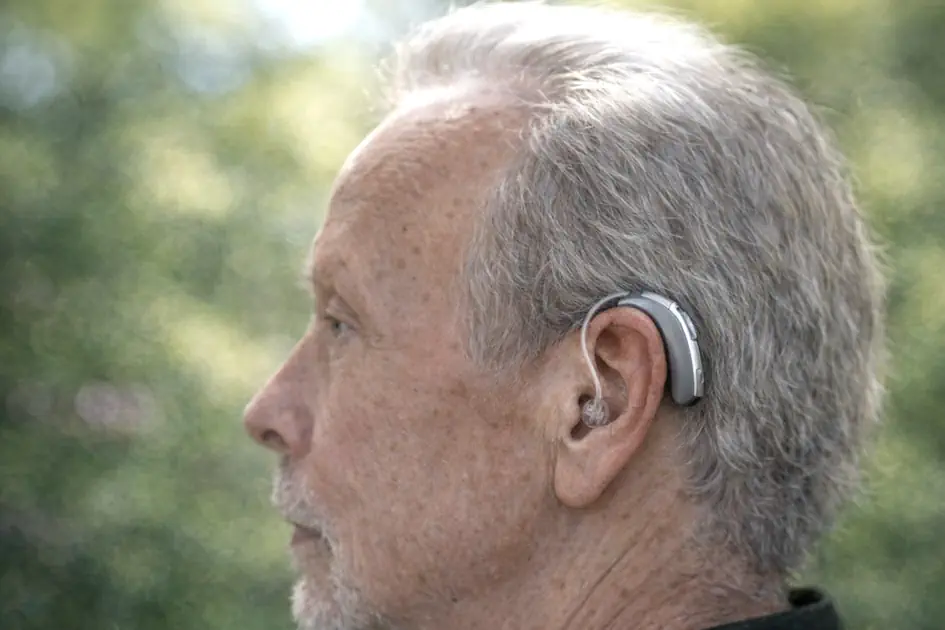 Figure 1: Modern Micro Hearing Aid, A refined design blending comfort and clarity.
Can Hearing Aids Really Protect Your Brain?
A few months ago, I took the plunge and got my first pair of hearing aids. While the transition hasn’t been perfect, the clarity they’ve restored to my life is undeniable. As an independent researcher, I’ve learned that hearing aids are not just about volume; they are about cognitive preservation.
Ignoring hearing loss is a major risk factor for social withdrawal, depression, and accelerated cognitive decline.
The 2026 Tech Revolution: AI and OTC
Recent breakthroughs showcased in 2025 and 2026 have introduced:
- Neural Processing Units (NPUs): AI that isolates a single voice in a crowded room.
- Auracast™ Bluetooth: Direct streaming from public TVs (airports, gyms) to your ears.
- Biometric Monitoring: Models that track heart rate and include fall detection alerts.
Frequently Asked Questions
1. Can hearing aids reduce dementia risk? Yes. Recent longitudinal studies from 2025 confirm that consistent use can slow the rate of cognitive decline by up to 40% by reducing the “cognitive load” required to process sound.
2. What are the best aids for seniors with dexterity issues? We recommend Receiver-in-Canal (RIC) models with magnetic chargers. These eliminate the need to fiddle with tiny “size 10” batteries, which is a common frustration for those with arthritis.
The 2026 “Frustration-Free” Guide
If your devices aren’t performing as expected, use this checklist:
- The Whistling (Feedback) Test: Usually caused by a poor seal. Check if the dome is fully seated.
- “Everything Sounds Like a Tin Can”: Common in the first 30 days. Ask your pro for “Acclimatization Mode” to ramp up power gradually over 4 weeks.
- Connection Issues: 2026 phones use Auracast/LE Audio. Toggle Bluetooth off/on or check for monthly firmware updates in your aid’s app.
Clinical Citations
| Source | Key Finding | Status | | :— | :— | :— | | The Lancet (2025) | Hearing loss is the #1 modifiable risk factor for dementia. | Verified | | Johns Hopkins | Untreated hearing loss increases fall risk by 3x. | Standard |