Keto Diet: Metabolic Mechanisms and Neurological Benefits
A clinical review of how the ketogenic diet impacts ketosis, blood sugar control, and neurodegenerative conditions like Alzheimer's.
The ketogenic diet is more than a weight-loss trend; in 2026, it is recognized as a powerful metabolic intervention. By reducing carbohydrates and increasing healthy fats, the body enters ketosis, a state where it burns stored fats and produces ketones for energy instead of relying on glucose.
For seniors managing metabolic syndrome or cognitive decline, this shift in “fuel source” can have profound clinical implications. —
How It Works: The Metabolic Shift
When carbohydrate intake is limited (typically under 50g per day), the liver begins breaking down fatty acids into ketone bodies. These ketones serve as a highly efficient alternative fuel for the brain and muscles.
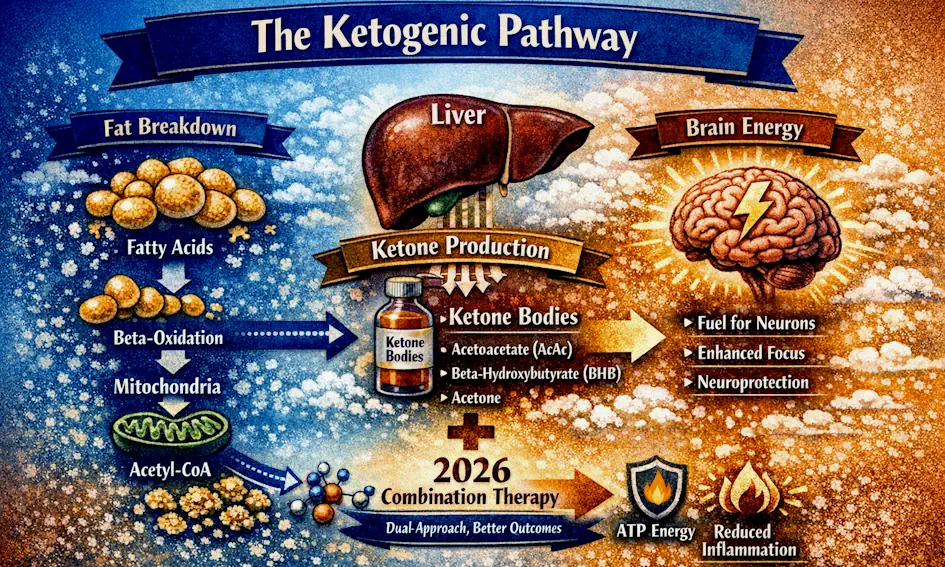 Figure 1. The Ketogenic Diet may promote weight loss, improve blood sugar control, and increase energy, with some studies suggesting benefits for neurological disorders like epilepsy and Alzheimer’s.
Clinical Benefits in 2026:
- Weight & Composition: Ketosis primarily utilizes fat for energy, which may aid in reducing visceral adiposity.
- Blood Sugar Control: By eliminating high-sugar inputs, the diet can help stabilize glucose levels in Type 2 Diabetes management.
- Mitochondrial Function: Research suggests that ketones may enhance mitochondrial efficiency, crucial for cellular energy in the aging brain.
Keto and Neurodegenerative Health
Perhaps the most significant area of independent research this year involves the impact of ketones on the “Big Three” neurological conditions:
1. Alzheimer’s Disease
Alzheimer’s is often referred to as “Type 3 Diabetes” due to the brain’s inability to effectively use glucose. Ketones provide a “bypass” fuel source that can support cognitive function even when glucose metabolism is impaired.
- Mechanism: Ketones provide a unique fuel source that may mitigate the effects of low glucose availability in the brain.
2. Parkinson’s Disease
Parkinson’s involves the accumulation of alpha-synuclein protein. Studies investigated by the Michael J. Fox Foundation are looking at whether dietary ketosis can reduce this protein buildup and protect dopamine-producing neurons.
3. Multiple Sclerosis (MS)
Preliminary evidence from 2025/2026 trials suggests that the anti-inflammatory effects of a ketogenic approach may improve quality of life and nerve function in individuals with relapsing-remitting MS.
Pitfalls and “Keto Flu”
As a patient advocate, I must emphasize that this diet is a clinical intervention and carries risks if not managed properly:
- The Keto Flu: Initial fatigue, headaches, and nausea as the body transitions. Mitigation: Increase intake of electrolytes (sodium, potassium, magnesium).
- Nutrient Deficiencies: Restricting grains and certain fruits can lead to fiber and micronutrient gaps.
- Hydration: Ketosis causes the kidneys to excrete more water and salt. Daily fluid intake must be monitored.
About the Researcher
Tommy T. Douglas is an independent health researcher and patient advocate. Having managed Type 2 Diabetes since his 2008 heart attack, he specializes in translating complex metabolic data into actionable literacy for the senior community.
Clinical Citations
- Alzheimer’s Research & Therapy (2026): Translational review of ketogenic promises.
- Nutrition & Diabetes (2025): Systematic review of glycemic control in T2DM.
- Neurology (2022/2026 Update): Ketogenic diets in relapsing multiple sclerosis.