Don't Dismiss It: Why Temporary Stroke Symptoms Demand Action
Why a Transient Ischemic Attack (TIA) is a critical medical emergency and how the BE-FAST acronym saves lives.
The “Warning Stroke”: Understanding TIA
A transient ischemic attack (TIA), commonly called a “mini-stroke,” is a brief halt in blood flow to the brain. While symptoms typically resolve within an hour and do not cause permanent damage, they are a medical emergency.
Think of a TIA as a “warning stroke” - it is the strongest indicator that a major, life-altering stroke could occur imminently.
Expertise & Experience Note: Updated January 2026 to reflect the latest American Heart Association (AHA) statistical updates. As a patient who has lived with a Watchman Device due to complications with blood thinners, I share this to help others navigate the critical window of stroke prevention.
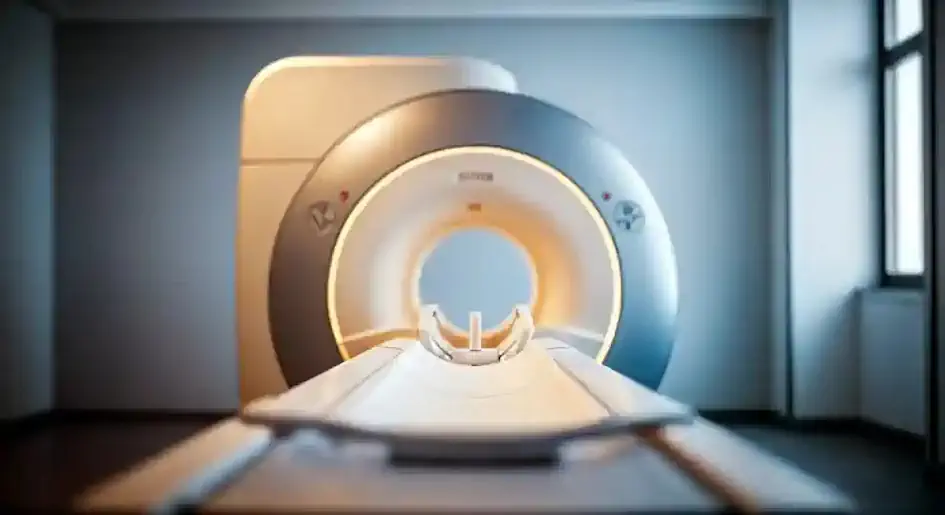 Figure 1: MRI technology is the gold standard for detecting “silent” strokes and assessing brain tissue health after a TIA.
The New Standard: BE-FAST
In 2026, medical professionals emphasize the BE-FAST acronym. The addition of “B” and “E” helps identify strokes that affect the back of the brain (posterior circulation), which the older model often missed.
- B - Balance: Sudden dizziness, loss of coordination, or trouble walking.
- E - Eyes: Sudden blurred vision, double vision, or loss of vision.
- F - Face: Does one side of the face droop when smiling?
- A - Arm: Does one arm drift downward when both are raised?
- S - Speech: Is speech slurred or strange?
- T - Time: If you see any of these signs, call 9-1-1 immediately - even if they disappear.
2026 Stroke Facts: Why You Must Act
According to the 2026 AHA Update, stroke is now the #4 leading cause of death in the U.S.
- The 48-Hour Window: The risk of a major stroke is highest in the first 48 hours following a TIA.
- Recurrence: Roughly 1 in 4 strokes happen to people who have had a previous TIA.
- Silent Damage: Even “temporary” symptoms can leave behind markers of brain cell loss visible on high-resolution MRIs.
Advanced Prevention: The Watchman Device
For those with Atrial Fibrillation (AFib), the risk of stroke is 5 times higher than the general population. While blood thinners are standard, they aren’t an option for everyone - especially those with a history of internal bleeding or liver issues.
The Watchman Device is a permanent, minimally invasive solution that “plugs” the Left Atrial Appendage (LAA), the area where 90% of stroke-causing clots form in AFib patients.
Next Steps in Diagnosis
If you experience symptoms, your team will likely use these tools:
| Test Type | What It Detects |
|---|---|
| Head CT / CTA | Identifies brain bleeds and major arterial blockages. |
| Brain MRI / MRA | High-resolution view to find “mini” blockages. |
| ECG / EKG | Checks for heart rhythm issues (like AFib) that cause clots. |