Step Up Your Wellness: 10 Reasons to Walk Every Day in 2026
Discover why walking is the ultimate longevity tool for seniors, from blood sugar control to cognitive resilience and immune support.
Walking: The Mechanical Driver of Longevity
Walking is more than just a basic form of exercise—it is a powerful tool for improving both your physical and mental well-being. In 2026, we view walking as a metabolic necessity. Whether you are looking to enhance your fitness levels or reduce systemic inflammation, a daily stroll is a simple yet highly effective solution for maintaining your “Healthspan.”
Medical Disclaimer: This content is for informational purposes only. It does not replace professional medical advice. Always consult your healthcare provider before starting a new exercise intensity, especially if managing heart or metabolic conditions.
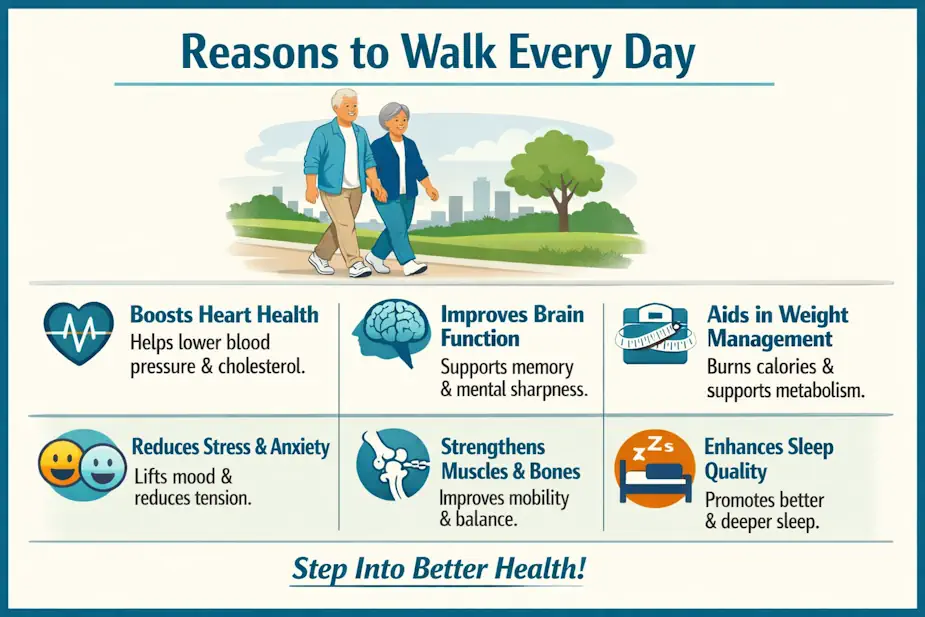 Figure 1: Walking every day supports the heart-brain axis—a simple habit that strengthens the body while improving sleep and longevity.
The Top 10 Reasons to Walk Every Day
1. Enhancing Cardiac Wellness
Regular walking is the most accessible way to strengthen the heart muscle. By improving the efficiency of each beat, you reduce the workload on your arteries. In 2026, walking is considered a primary defense against strokes and high blood pressure, keeping the “plumbing” of the Vascular Bridge clear.
2. Precise Blood Sugar Control
Walking acts as a natural insulin sensitizer. When you move, your muscles demand glucose. This triggers GLUT4 proteins to move to the cell surface, pulling sugar out of the bloodstream even without extra insulin.
- The 2026 Protocol: A 10-minute walk immediately after meals is now the gold standard for flattening postprandial glucose spikes.
3. Defending Against Sarcopenia
Walking strengthens both bones and muscles by providing weight-bearing stress. This stress encourages bone density and helps preserve lean muscle mass. For seniors, this is the foundation of preventing “frailty” and maintaining independence.
4. The Natural Mood Booster
Walking triggers the release of endorphins and enkephalins—the body’s internal pharmacy. When you walk outdoors, you also lower cortisol levels through visual “optic flow,” which calms the amygdala and reduces anxiety.
5. Metabolic Efficiency & Weight Management
A brisk 30-minute walk can burn roughly 150 calories, but the real benefit is hormonal. Walking suppresses the hunger hormone ghrelin and increases leptin sensitivity, making it easier to maintain a healthy body composition without the stress of high-impact cardio.
6. Resetting the Circadian Rhythm
Exposure to natural morning sunlight during a walk helps reset your body’s internal clock. This regulates melatonin production, making it easier to fall asleep and improving the quality of deep, “brain-detox” sleep at night.
7. Sustained Energy Levels
Unlike high-intensity workouts that can leave you depleted, walking increases oxygen circulation and stimulates mitochondrial energy production. It provides a “vibrant” energy that lasts throughout the day rather than a temporary caffeine-like spike.
8. Systemic Cancer Prevention
Walking helps reduce abdominal fat, which is often a source of pro-inflammatory cytokines. By reducing systemic inflammation and improving hormone balance, regular walking is a key lifestyle factor in reducing the risk of breast, colon, and liver cancers.
9. Mental Sharpness and “Brain Detox”
Walking enhances neuroplasticity. Research shows that regular movement improves declarative memory (recalling facts) and procedural memory (tasks). It also supports the glymphatic system, ensuring your brain clears out metabolic waste more effectively.
10. Expanding Your “Biological Pace”
Your walking speed is one of the strongest predictors of your mortality risk. By walking every day, you are literally training your body to maintain a youthful “Biological Pace,” reducing your overall risk of death from all causes.
🔬 March 2026 Clinical Update
Systemic Inflammation: In 2026, conditions like Psoriasis are managed as systemic inflammatory events. Clinical targets emphasize metabolic support through movement combined with high-quality protein (1.2–1.6 g/kg) to maintain skin cell turnover and lean muscle mass.
❓ Frequently Asked Questions
What is the best time for a senior to walk? Early morning is best for circadian rhythm, but post-meal (within 20 minutes of eating) is best for blood sugar management. If it’s hot, stick to late afternoon to avoid heat stress.
Can walking help with anxiety? Yes. The rhythmic, bilateral movement of walking mimics some aspects of EMDR therapy, helping the brain process stressful thoughts more effectively.
How many steps do I actually need? While 10,000 is a common goal, 2026 research shows that for seniors, significant longevity benefits begin at just 4,400 steps per day. Quality of movement and consistency matter more than the raw number.
Sources & Further Reading
- Harvard Health: More movement, better memory.
- NIH/NIA: Walking for Cardiovascular Prevention.
- American Cancer Society: Walk Your Way to Health.
- Aging Health Research: The Protein Paradox & Metabolic Resilience.