The Vagus Nerve Exercise Guide: Physical Resets for Longevity
Three evidence-based physical exercises to stimulate the Vagus nerve and improve autonomic balance in seniors.
Following our Gut-Brain Nutrition Protocol, we now address the physical side of the Vagus Highway. While nutrition provides the fuel, targeted movement provides the “signal” to keep the autonomic nervous system in a state of rest, digest, and repair.
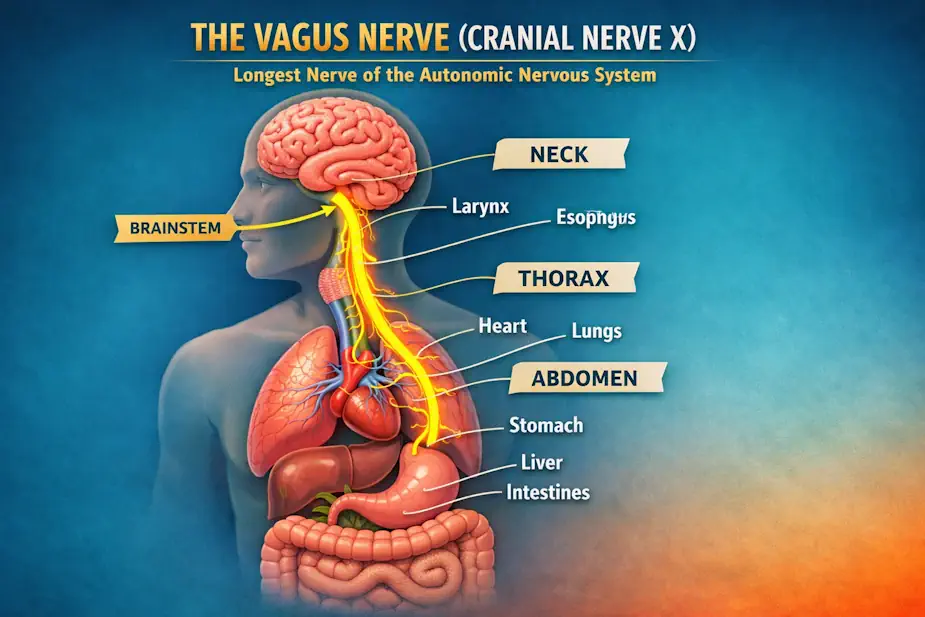
Figure 1: The Vagus nerve (Cranial Nerve X) is the longest nerve of the autonomic nervous system, traveling from the brainstem through the neck and thorax to the abdomen.
Stimulating the Vagus nerve—often called Vagus Nerve Stimulation (VNS)—can be done safely at home through non-invasive techniques that utilize the body’s natural reflexes.
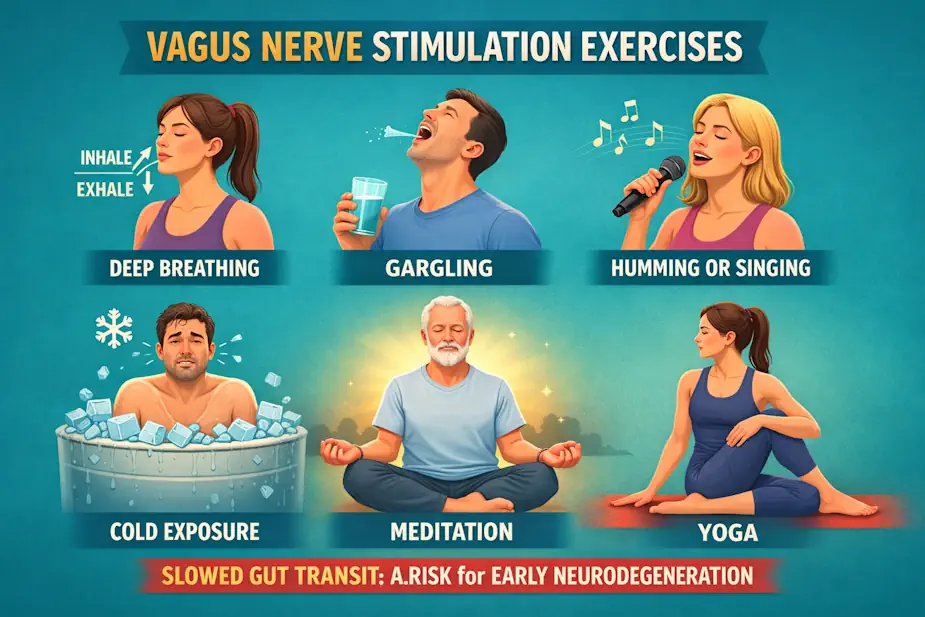 Figure 2 Vagus Nerve Activation: Simple daily exercises that strengthen gut‑brain communication and support healthy motility —
1. The Diaphragmatic “Box Breath” 🫁
The Vagus nerve passes through the diaphragm. When you breathe deeply, the physical expansion of the diaphragm mechanically stimulates the nerve.
- The Technique: 1. Inhale slowly for 4 seconds.
- Hold the breath for 4 seconds.
- Exhale slowly (through pursed lips) for 4 seconds.
- Hold empty for 4 seconds.
- The Science: This rhythm increases Heart Rate Variability (HRV), the gold-standard metric for Vagal tone.
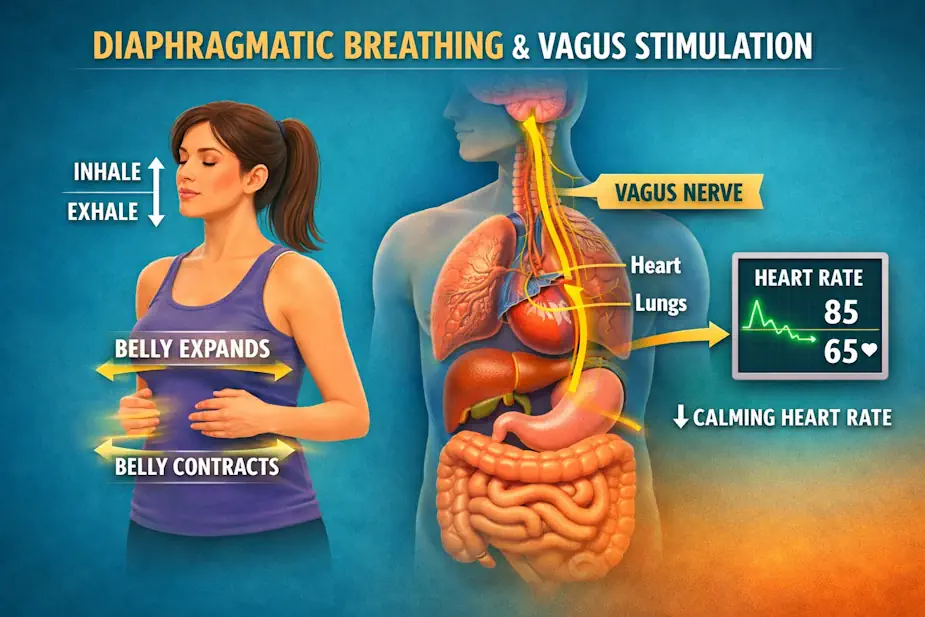
Figure 3: Proper diaphragmatic expansion (belly breathing) provides the mechanical stimulus required to signal the Vagus nerve to lower the heart rate. —
2. The Diving Reflex (Cold Exposure) 🧊
Splashing cold water on the face triggers an ancient survival mechanism called the “Mammalian Diving Reflex,” which is mediated entirely by the Vagus nerve.
- The Technique: Splash ice-cold water on your face and forehead for 30 seconds, or hold a cold compress to the side of your neck (near the carotid artery) for 1 minute.
- The Science: This causes an immediate reduction in heart rate and shifts the body out of “Fight or Flight” mode.
3. Humming and Gargling 🗣️
The Vagus nerve is connected to the vocal cords and the muscles at the back of the throat. Activating these muscles sends a direct signal to the brainstem.
- The Technique: * Gargling: When drinking water, gargle loudly for 30 seconds.
- Humming: Choose a low-pitched tone and hum for 2–3 minutes while focusing on the vibration in your throat.
- The Science: These vibrations activate the laryngeal branch of the Vagus nerve, improving systemic Vagal outflow.
📊 Summary of Vagal Reset Techniques
| Exercise | Primary Mechanism | Recommended Frequency |
|---|---|---|
| Box Breathing | Diaphragmatic Tension | 5 Minutes, 2x Daily |
| Cold Splash | Diving Reflex | Every Morning |
| Humming | Vocal Cord Vibration | 2 Minutes after meals |
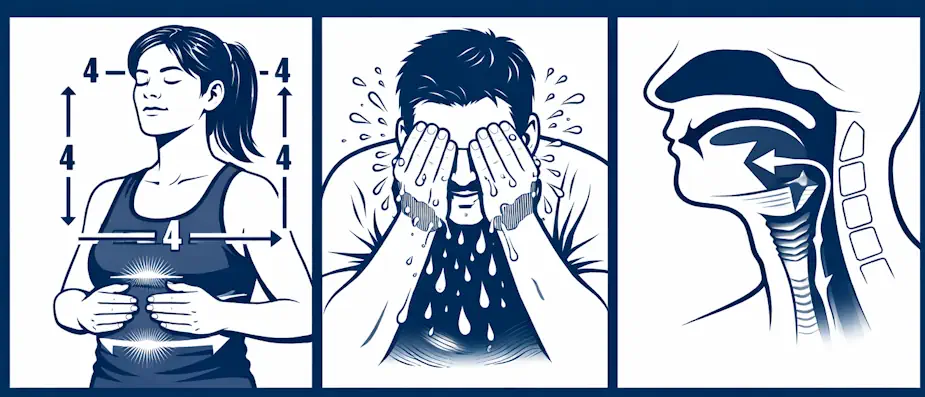
Figure 3: The 2026 AgingHealth Vagal Reset Protocol: A combination of breathwork, thermal stimulus, and vocal activation for autonomic stability.
Safety Note for Seniors If you have a history of severe low blood pressure (hypotension) or use a pacemaker, consult your medical partner before starting cold exposure or breath-holding techniques.
Related Research
- The Vagus Highway: Neurodegeneration Explained
- Gut-Brain Nutrition Protocol
- Choosing Your Medical Partner
Keywords: #VagusNerve #HRV #SeniorHealth #AutonomicSystem #AgingHealth