Dementia Awareness: Recognizing Early Symptoms vs. Metabolic Fog
Differentiating between permanent neurodegenerative signs and manageable metabolic conditions like Hepatic Encephalopathy.
Is it just aging, or could it be something like dementia? It’s important to spot early signs and check for liver and blood sugar issues, especially in older adults. Many people fear the word “dementia,” but this fear often comes from a lack of information. Understanding these issues can greatly impact health and well-being.
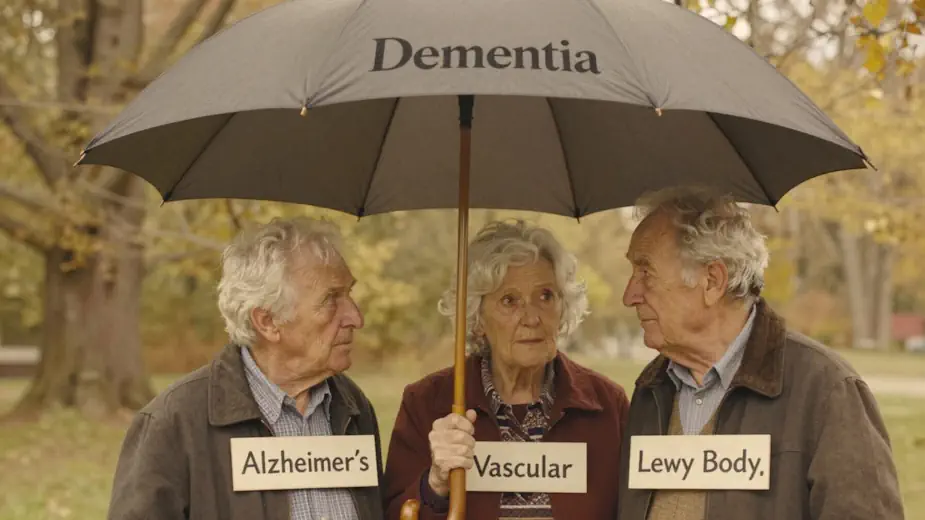
Figure 1: Dementia is an umbrella term for a collection of symptoms, not a single diagnosis. Understanding which ‘rib’ a symptom belongs to is the first step toward effective care.
It’s Not Just “One” Disease
One of the most important things to understand—and something I often see missing in mainstream health news—is that Dementia is an umbrella term. It includes:
- Alzheimer’s Disease: The most common form, typically starting with memory loss.
- Vascular Dementia: Linked to heart health and blood flow issues.
- Lewy Body Dementia: Which often presents with physical symptoms like tremors or balance issues.
- Frontotemporal Dementia: Which often impacts “personality” and behavior before it hits memory.
The “Apathy” Red Flag
One of the most overlooked early signs isn’t forgetting keys—it’s apathy. When a normally social person stops engaging in hobbies or shows a “loss of initiative,” it’s often dismissed as “just getting older.” In reality, this can be a biological change in the brain’s motivation networks.
Why I’m Optimistic: The Role of “Reversible” Causes
Many “dementia-like” symptoms are actually metabolic. This is a critical distinction because metabolic fog can often be managed or reversed.
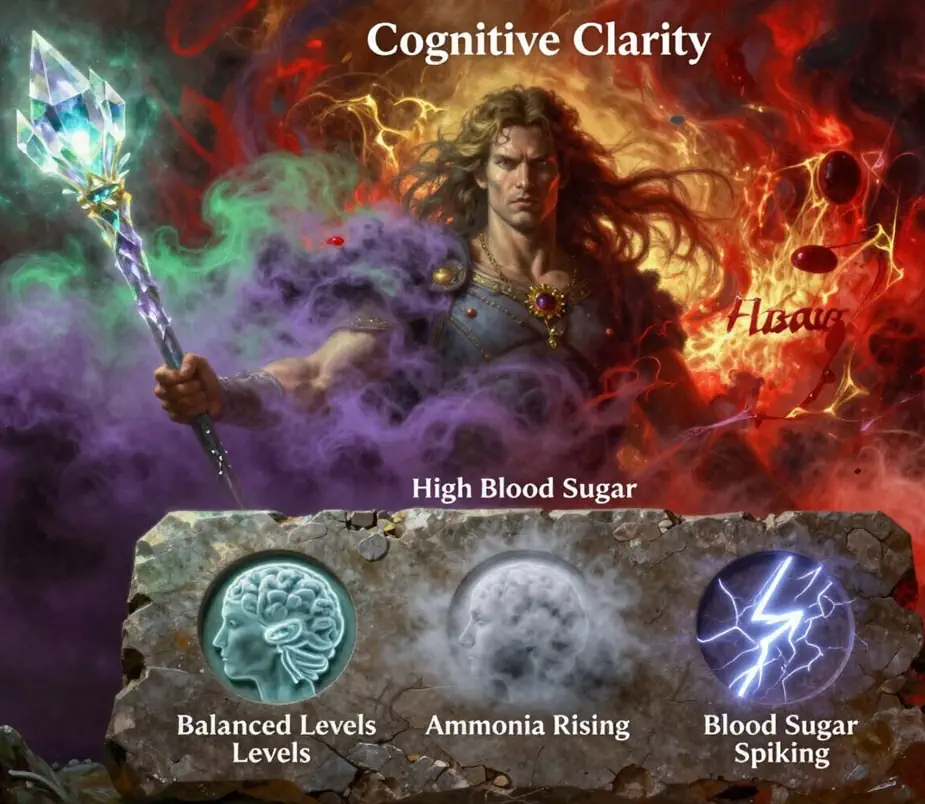
Figure 2: Metabolic ‘mimics’ like high ammonia levels can look like dementia but are manageable clinical conditions.
The Liver-Brain Connection
Take my own journey: managing cirrhosis means staying vigilant about Hepatic Encephalopathy (HE). When the liver fails to filter ammonia, it crosses the blood-brain barrier. The symptoms can be indistinguishable from early dementia:
- Extreme brain fog
- Personality shifts or irritability
- Difficulty with motor skills or “clumsiness”
- Confusion about time or place
The Difference: While Alzheimer’s is currently progressive, HE is a manageable metabolic condition. Using Lactulose to clear ammonia keeps the cognitive “engines” running. Always advocate for a “Full Rule-Out” approach—checking liver enzymes, kidney function, and B12 levels—before accepting a permanent diagnosis.
🛠️ Patient Advocacy Tools
One of the most frustrating parts of aging is the “fog.” I designed these tools to help you move from “patient” to “advocate” by providing your doctor with clinical evidence.
📋 Daily Medication & Cognitive Tracker
Track your daily medications (like Lactulose or Metformin) alongside a “Clarity Score” (1–5). After 14 days, you’ll have a map of whether your fog lifts when your metabolism is stable.
🔍 Dementia Warning Signs Checklist
A quick-reference guide to help you distinguish between normal aging and clinical concerns.
Key Health Takeaways
- Monitor Regularly: Check your vitals at the same time each morning.
- Consult Professionals: Always discuss supplement changes with your medical partner.
- Stay Informed: Review clinical updates and metabolic markers every six months.
🎯 March 2026 Clinical Update: Metabolic Targets
To maintain cognitive clarity, ensure your Vitamin B12 levels are in the upper-normal range and monitor Blood Pressure to keep it below 130/80 mmHg to protect vascular health in the brain.
About the Researcher
Tommy T. Douglas is an independent health researcher and patient advocate. A survivor of a major heart attack who manages Type 2 Diabetes, he specializes in translating complex medical data into actionable health literacy for seniors.