The 2026 Gut-Brain Nutrition Protocol: Fueling the Vagus Nerve
A clinical dietary framework for supporting the enteric nervous system and reducing alpha-synuclein misfolding.
Clinical Objective To stabilize the intestinal epithelial barrier (“Leaky Gut”) and maximize the production of Short-Chain Fatty Acids (SCFAs) to protect the Vagus nerve from inflammatory seeding.
The Foundation: The Protein-Fiber Ratio
In senior health, we often face a “tug-of-war” between preventing Sarcopenia (muscle loss) and maintaining Microbiome Diversity. The 2026 protocol prioritizes both by focusing on high-quality amino acids paired with fermentable fibers.
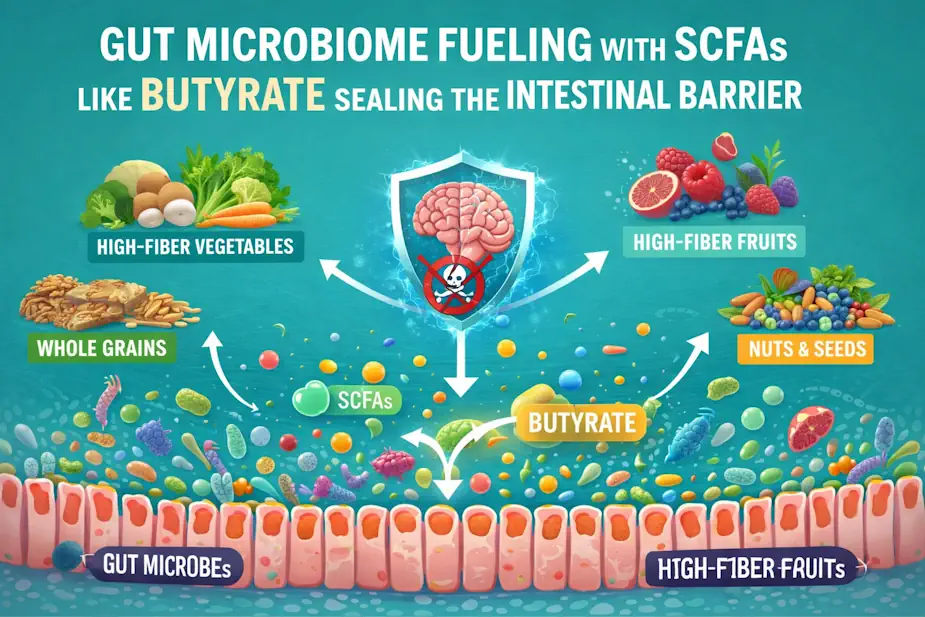
Figure 1: Short-chain fatty acids (SCFAs) like Butyrate act as the primary energy source for the cells lining the gut, effectively ‘sealing’ the barrier against neuro-toxins.
1. High-Bioavailability Protein
Seniors require more protein to maintain the same muscle mass as younger adults.
- Target: 1.2 to 1.5 grams per kilogram of body weight.
- Sources: Grass-fed whey, wild-caught fish, and pasture-raised eggs (rich in choline for brain health).
2. The “Prebiotic” Sweep
To feed the Vagus nerve, we must feed the bacteria that protect it.
- Resistant Starches: Cooked and cooled potatoes or rice create “resistant” starch that travels deep into the colon to feed Akkermansia.
- Soluble Fiber: Aim for 30+ grams daily from diverse plant sources to keep the “Vagus highway” clear of inflammatory debris.
The Polyphenol “Firewall”
Polyphenols are not just antioxidants; they are signaling molecules. In 2026, research highlights their ability to directly inhibit the misfolding of alpha-synuclein in the gut lining.
| Food Group | Key Compound | Neuro-Protective Role |
|---|---|---|
| Extra Virgin Olive Oil | Oleocanthal | Clears amyloid and synuclein debris. |
| Blueberries/Blackberries | Anthocyanins | Strengthens the Blood-Brain Barrier (BBB). |
| Green Tea (EGCG) | Catechins | Reduces neuro-inflammation in the Vagus nerve. |
| Walnuts | Omega-3 / Polyphenols | Supports the ‘enteric’ brain neurons. |
Motility: Keeping the Highway Moving
One of the earliest signs of the Gut-Brain axis breaking down is Constipation (slowed motility). If the gut doesn’t move, toxins sit against the intestinal wall, increasing the risk of “leaks.”
- Hydration with Electrolytes: Water alone isn’t enough. Magnesium and Potassium are required for the smooth muscle contractions of the gut.
- The 12-Hour Reset: A simple 12-hour overnight fast (e.g., 7 PM to 7 AM) allows the Migrating Motor Complex (MMC) to “sweep” the small intestine clean.
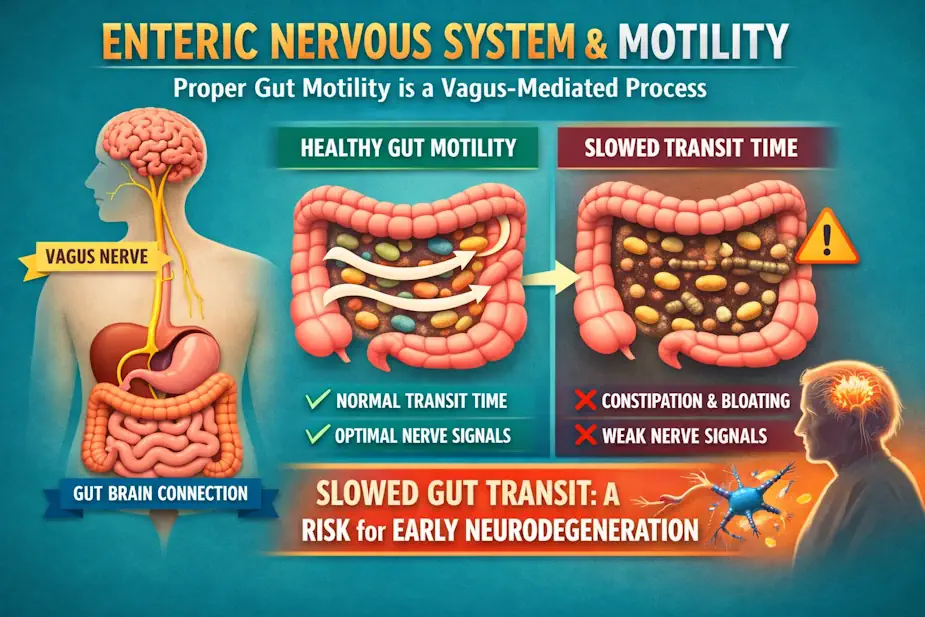
Figure 2: Proper gut motility is a Vagus-mediated process. Slowed transit time is now recognized as a major risk factor for early-stage neurodegeneration.
🍽️ The “Longevity Plate” Checklist
When preparing a meal, use this 2026 AgingHealth standard:
- Protein First: Did I include at least 30g of protein?
- The Fiber Gap: Are there at least two colors of vegetables on the plate?
- Healthy Fats: Is there a source of Omega-3 or EVOO to help absorb nutrients?
- Probiotic Kick: Is there a fermented food (sauerkraut, kefir, kimchi) to introduce live beneficial cultures?
Researcher Tip: Avoid ultra-processed emulsifiers (like carboxymethylcellulose or polysorbate 80). These “food glues” are known in 2026 to dissolve the protective mucus layer of the gut, leaving the Vagus nerve exposed.