Inflation's Impact on Health and Healthcare: A Senior Citizen’s Guide
How inflation in 2026 increases healthcare costs for seniors—and what older adults can do to protect their health on a fixed income.
Why Inflation Matters for Senior Health
For older adults, inflation is not just an economic statistic—it is a direct threat to physical longevity. When the cost of life‑saving prescriptions and essential preventive screenings rises faster than fixed‑income adjustments, healthcare quietly becomes a discretionary expense.
In 2026, seniors are increasingly forced to choose between groceries and medications. This guide explains why this trend is dangerous—and how proactive advocacy can prevent financial stress from turning into medical decline.
📊## The Inflation-Health Spiral# Inflation creates a “feedback loop” that can accelerate aging if not managed:
Price Spikes: Meds and co-pays rise.
Delayed Care: Routine check-ups are skipped to save money.
Emergency Crisis: Untreated issues become ER visits (which cost 10x more).
Financial Strain: The emergency bill wipes out savings, making future health care even harder to afford.
Medical Disclaimer
This content is for informational and educational purposes only.
It does not replace professional medical advice, diagnosis, or treatment.
Always consult a qualified healthcare provider regarding any medical condition.

Inflation: The Silent Tax on Retirees
Inflation—the steady rise in prices—functions as a stealth tax on retirees. In 2026, this pressure has widened the gap between Social Security income and the soaring costs of modern medicine.
When grocery bills compete with heart‑medication co‑pays, seniors often delay care. Over time, those delays significantly increase hospitalization risk, disability, and avoidable medical expenses.
Inflation Is Not One Problem—But Many
Inflation is not a single event. Instead, it reflects:
- Monetary policy shifts
- Global supply‑chain volatility
- Healthcare labor shortages
Critically, medical inflation almost always exceeds CPI, meaning that even when fuel or food costs stabilize, healthcare continues getting more expensive.
The Rising Cost of Healthcare in 2026
Medicare remains a vital safety net—but it was never designed to cover 100 % of costs.
Behind the scenes, inflation raises:
- Nurse and technician wages
- Hospital energy costs
- Pharmaceutical manufacturing expenses
These increases eventually appear as higher premiums, deductibles, and co‑pays for patients.
Why Healthcare Prices Rise Faster Than Inflation
- Medical Goods & Services – Equipment and drug ingredients depend on global markets
- Labor Shortages – Hospitals increase billing to retain staff
- Long‑Term Care Costs – Assisted living expenses rise faster due to labor intensity
Protecting Your Health During Inflation
Protecting your well‑being during inflation requires both financial awareness and clinical proactivity.
Practical Strategies That Work
Prescription Advocacy
Ask your doctor about generics, 90‑day supplies, or therapeutic alternatives.
Tools like GoodRx and manufacturer programs can reduce costs significantly.Prioritize Prevention
Medicare wellness visits and screenings are often fully covered.
Catching disease early costs thousands less than emergency treatment later.Negotiate Medical Bills
Request itemized statements and ask about hospital Financial Assistance / Charity Care programs.Leverage Community Support
Local Area Agencies on Aging (AAA) can help with meals, transportation, and utilities—freeing funds for healthcare.
Frequently Asked Questions (High‑Intent Searches)
Does Medicare Part B increase with inflation?
Yes. Part B premiums adjust annually to reflect outpatient care costs.
However, the Hold Harmless provision usually prevents net Social Security reductions when COLA is smaller than the premium increase.
Are senior living costs tax‑deductible?
If assisted living is primarily for medical reasons, part of the cost may qualify as an unreimbursed medical expense.
Consult a tax professional regarding IRS “chronically ill” criteria.
How do I find prescription assistance programs in 2026?
Many drug manufacturers offer PAPs with near‑zero cost for eligible seniors.
Helpful tools:
Hospital social workers or patient navigators can assist with applications.
Can I afford healthcare on a fixed income?
Inflation makes it harder—but help exists.
Medicare covers many preventive services, and community programs offer subsidized care. Combined with proactive planning, seniors can maintain health and independence.
Why should preventive care be a priority?
Preventive care:
- Detects disease earlier
- Reduces ER visits
- Lowers long‑term healthcare spending
Routine check‑ups and screenings protect both physical health and financial security.
Conclusion
Inflation is a serious obstacle—but not a dead end.
By refusing to delay preventive care, advocating for affordable medications, and using available assistance programs, seniors can protect their most valuable asset: their health.
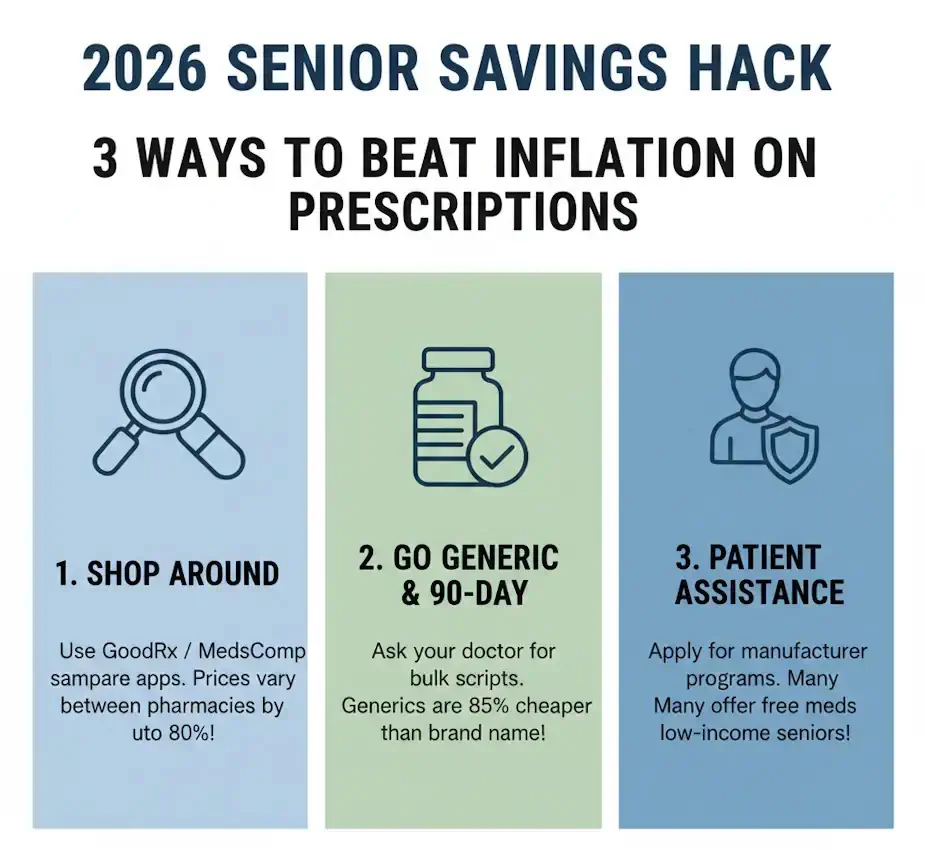 Figure 2. Three proven ways seniors can save on prescriptions in 2026.
📘 Related Patient Resources
The Log
Daily Glucose Tracker →The Foundation
Beginner’s Guide to Diabetes →Liver Health
Metabolic Syndrome & Cirrhosis →
Professional Sources
March 2026 Clinical Update
Current liver‑health advocacy emphasizes high‑protein intake (1.2–1.5 g/kg) to prevent sarcopenia.
Portal‑hypertension management now targets systemic blood pressure < 130/80 mmHg.
``