The Body’s Hidden Wonders: A Collection of Biological Stories
Discover the astonishing stories hidden within your own anatomy, from the steel-like strength of your bones to the organ that refuses to quit.
The Incredible Machine: More Than Just Parts
The human body stands as a remarkable and intricate system, showcasing an array of extraordinary abilities while simultaneously harboring a multitude of peculiar characteristics. Think of your body not as a collection of clinical parts, but as a living narrative of survival and adaptation.
 Figure 1 Astonishing human medical traits.
Let’s step inside and uncover ten stories of the body’s hidden wonders.
1. The Three-Minute Window: The Brain’s Emergency Reserve
The brain is our most oxygen-hungry organ, but it possesses a brief, heroic window of resilience. Under normal conditions, if oxygen is cut off, the brain enters an “emergency metabolic mode.” It uses every last bit of energy to keep the lights on for roughly three minutes before the damage becomes permanent.
This short period is a testament to the brain’s priority in the hierarchy of survival—it is the last part of us to give up the ghost.
2. The Organ That Refuses to Quit: The Liver’s Secret
Imagine a car engine that could rebuild itself while you were still driving. That is the liver. It is the only internal organ with the power of true regrowth. Even if 70% of it is removed, it doesn’t just “heal”—it rebuilds. This is why a living donor can give half their liver to a stranger, and within months, both people will have a full, functional organ.
Researcher Note: For those of us tracking liver health, this resilience is why catching issues early is so effective—the liver wants to bounce back.
3. A Chemical Furnace: Your Stomach’s Power
Deep inside you sits a pool of acid—primarily hydrochloric acid—so potent that on the pH scale it rivals industrial cleaners. It is strong enough to dissolve bone, teeth, and even metal in a lab. To prevent this “furnace” from digesting your own body, your stomach creates a thick, protective mucus shield and replaces its entire lining every few days. You are effectively growing a new stomach once a week.
4. Stronger Than a Steel Beam
Ounce for ounce, your bones are stronger than steel. A piece of bone the size of a matchbox can support 9,000 pounds of pressure—that’s roughly the weight of two full-sized pickup trucks. Unlike a steel beam, however, your bones are “alive.” They are constantly eavesdropping on your activity; when you walk or lift, they respond by weaving their mineral lattice even tighter.
5. The Heart’s Unending Marathon
While we sleep, eat, and work, our heart is performing a marathon that never ends. Every single day, it beats about 100,000 times, pushing 2,000 gallons of blood through miles of vascular “plumbing.” By the time you reach a ripe old age, your heart will have beaten over 2.5 billion times without ever taking a single “personal day.”
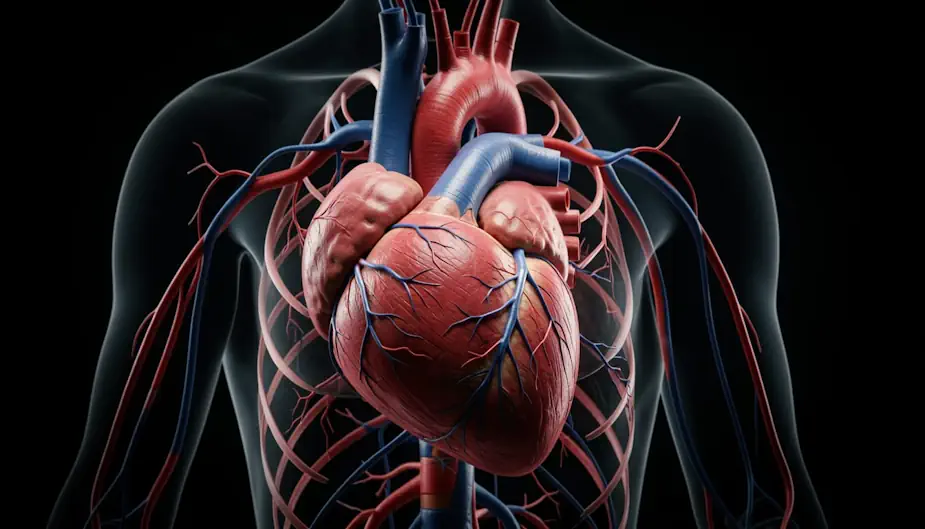 Figure 2 The human heart is a powerful pump that drives the circulatory system, sending oxygen-rich blood through a vast network of arteries, capillaries, and veins to fuel every cell in the body. With each beat, it sustains life by balancing pressure, flow, and oxygen delivery—essential for energy, healing, and overall health. ❤️
6. The Airy Architecture of the Lungs
Your lungs are not just “bags of air”—they are a sprawling, spongy landscape.
- The Heart’s Roommate: Your left lung is actually smaller than the right, simply to make a little extra “cove” for your heart to sit in.
- The Tennis Court: If you were to flatten out all the tiny air sacs (alveoli) in your lungs, they would cover the surface of an entire tennis court.
- The Only Floater: Because they are 90% air, the lungs are the only human organs that can actually float on water.
7. The Great Filtration Plant: The Kidneys
Every 24 hours, your kidneys filter about 150 quarts of blood. They are the body’s “Original Self-Cleaning System,” tirelessly balancing your electrolytes and clearing waste. This constant motion is why hydration is the best gift you can give your vascular bridge.
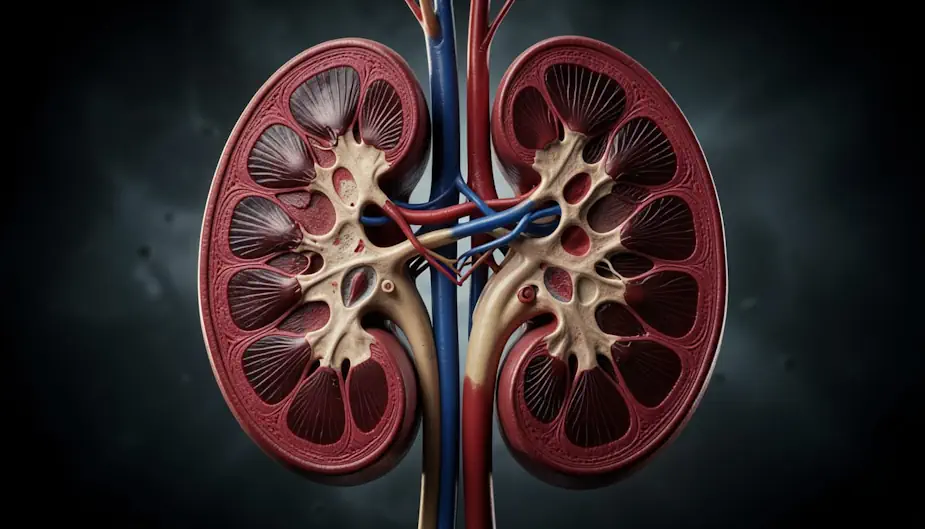 Figure 3 The human kidney is made up of millions of tiny filtering units called nephrons, which clean blood by removing waste and excess fluid. Key structures include the outer cortex, inner medulla, and the collecting system (calyces and renal pelvis) that channels urine to the ureter. Blood enters through the renal artery and exits via the renal vein, while urine flows out after filtration.
8. Your Protective Suit: The Skin
Your skin is your largest organ, covering nearly two square meters. It is a dynamic shield that sheds 500 million cells every month. You are constantly “molting,” replacing your entire outer defense system to ensure you remain protected from the elements and infection.
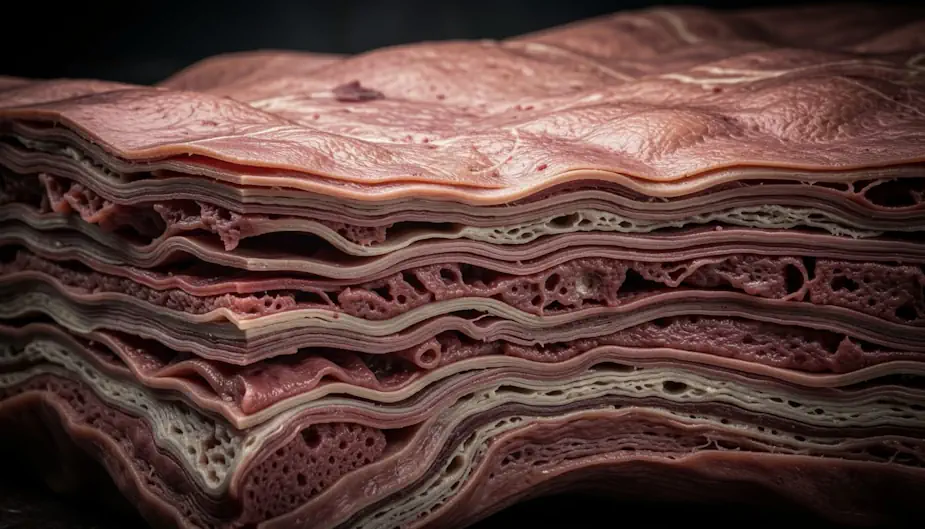 Figure 4 A simplified overview of the three layers of human skin—epidermis, dermis, and hypodermis—showing how they work together to protect the body, regulate temperature, and provide structure.
9. A Lifetime of Saliva
Over a typical lifetime, your salivary glands produce enough fluid to fill two full-sized swimming pools. This isn’t just moisture; it’s the first step in digestion and your mouth’s primary defense against bacteria.
10. A Universe of Trillions
You aren’t just one person; you are a galaxy of 30 trillion human cells. Each one is a specialized worker—some carry oxygen, some think, some move. Even more surprising? You host trillions of bacterial cells that help you digest and stay healthy. You are quite literally a walking ecosystem.
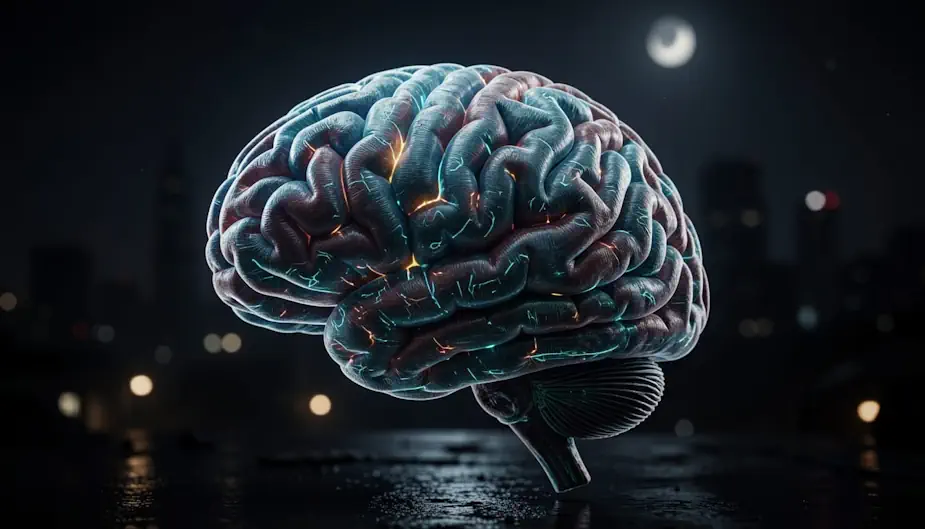 Figure 5 Your brain is busy at night.
The Nightlife of the Brain
Bonus Fact: Your brain doesn’t “power down” when you sleep. In fact, during REM sleep, it can be more active than when you are awake. It spends the night “cleaning the house”—sorting your memories, flushing out metabolic waste, and preparing your “Vascular Bridge” for the next day.
Frequently Asked Questions
Why should seniors stay up-to-date on this research? Staying current helps you make informed decisions. When you understand that your bones respond to stress or your liver can regenerate, you realize that your health is not a “fixed” state, but a dynamic one you can influence.
Does music therapy actually change the brain? Yes! As we discussed in our Dementia Research 2026 update, music can activate “detour” pathways in the brain, helping to bypass damaged memory centers.
How do advancements like CRISPR affect my cells? Technologies like CRISPR allow scientists to “edit” the instructions within those 30 trillion cells, potentially fixing genetic errors that lead to disease.
Conclusion
The human body is an astonishing machine, but it is also a quiet hero. It works in the background—filtering, beating, and breathing—to keep us exploring. We hope this look at the body’s hidden wonders gives you a new appreciation for the “Biological Tax” we pay for aging, and the incredible ways our bodies fight to keep us here.
Disclaimer
This article is for general education only and is not a substitute for professional medical advice. The facts shared here are simplified for easy reading. If you have questions about your specific health, please speak with a qualified healthcare professional.
Sources & Further Reading
- NIH: How the Liver Repairs Itself
- British Heart Foundation: The Hardworking Heart
- Live Science: The Body’s Largest Organ
- National Science Foundation: The Nightlife of the Brain