The Ultimate 5-Step Guide to Choosing Your Medical Partner
A collaboration between Medicare Data, NIH Standards, and the AgingHealth Advocacy Model for senior longevity.
🩺 Choosing a doctor when you’re over 60 isn’t just about who is closest to your house—it’s a strategic decision for your longevity. While government sites tell you who is “eligible,” they often skip the most important part: Does this person actually listen to you?
Here is the definitive 5-step checklist to ensure your next doctor is a true partner in your health.

Figure 1: Choosing the right medical partner shouldn’t feel overwhelming. This 5-step guide helps older adults compare providers and feel confident in every decision.
Step 1: The Medicare Foundation (Access & Eligibility) 💳
Before emphasizing the importance of bedside manner, it is crucial to ensure the physician is genuinely accessible. Accessibility enables timely communication and facilitates the delivery of appropriate treatment.
- The Tool: Use the official Medicare Care Compare Tool to find providers in your area.
- The Check: Verify they accept Original Medicare or your specific Medicare Advantage plan.
- Pro-Tip: Check for the “Telehealth Indicator” on their profile—it’s a sign of a modern, flexible office.
Step 2: Clinical Fit & Specialty (The NIH Lens) 🎓
The National Institute on Aging (NIA) highlights that many physicians may lack sufficient training to address the specialized healthcare requirements of older adults.
- Specialty Check: Should you see an Internist or a Geriatrician? The NIA Guide to Choosing a Doctor recommends matching training to your health complexity.
- Credentials: Ensure they are Board Certified, proving expertise beyond standard licensing.
Step 3: Chronic-Care Capability 📈
As we age, we often manage multiple chronic health conditions simultaneously. Medicare offers Chronic Care Management (CCM) to provide coordinated support.
- The Ask: Ask the office: “Do you participate in Medicare’s Chronic Care Management program?”
- Why it matters: This provides a dedicated care coordinator and 24/7 access—essential for avoiding “treatment conflicts” between specialists.
Step 4: The AgingHealth Standard (Communication) 🤝
AgingHealth regards poor communication not merely as a preference, but as a significant clinical risk.
- The Litmus Test: Does the doctor maintain eye contact, or are they focused solely on their tablet?
- Shared Decision-Making: Use our 5 Essential Questions to see if they value your autonomy or if they use “elder-speak.”
Step 5: Logistics & Office Culture 🏢
A poorly managed office can undermine excellent clinical care. Receptionists and schedulers shape your comfort and trust.
- Accessibility: Is there parking? Ramps? An elevator?
- Responsiveness: Use the NIA’s Talking With Your Doctor Worksheets to track how quickly they return calls or portal messages.
📥 Your “Action Pack” Downloads
To ensure your next appointment is successful, use these tools:
- NIA Questions Worksheet (PDF): Stay organized during the visit.
- The AgingHealth “Doctor Breakup” Template: Use our professional script to request records from an old office without awkwardness.
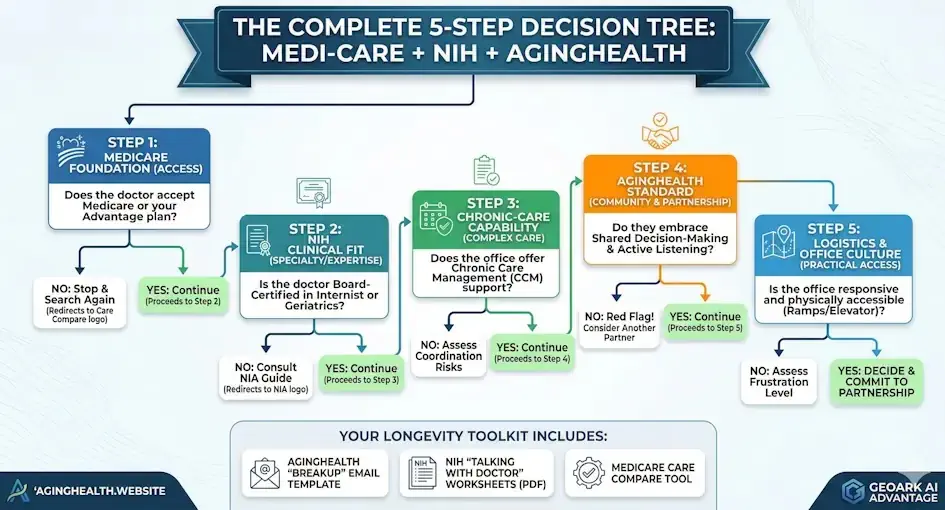
Figure 2: The AgingHealth Decision Tree: A strategic roadmap combining Medicare data and NIH standards with our unique communication framework.
🩺 Summary of Steps to Finding the Right Doctor
1. Clarify Your Needs
Determine if you need routine care or a specialist. Consider your preferences for communication style and cultural compatibility.
2. Start With Your Insurance
Verify in-network status, new patient availability, and telehealth options.
3. Build a Shortlist
Use trusted sources: family recommendations, insurance directories, and board certification checks.
4. Evaluate the Experience
Look beyond credentials. Does the office feel welcoming? Is the staff organized? Does the doctor listen?
5. The “Test Drive” Visit
Treat the first visit as a trial. Assess if your concerns are acknowledged and your questions addressed with respect.
6. Make Your Choice
If the rapport is lacking, it is entirely appropriate to seek care from another provider.
Cite This Research
Douglas, T. T. (2026). The Ultimate 5-Step Guide to Choosing Your Medical Partner. Aging Health: Clinical Health Literacy and Patient Advocacy. Retrieved from: https://www.aginghealth.website/2026/03/choosing-medical-partner-guide-medicare-nih.html
Keywords: #PatientAdvocacy #HealthLiteracy #AgingHealth #ClinicalResearch