Liver Cirrhosis: What You Need to Know
Understanding the causes, symptoms, and treatment options for decompensated liver cirrhosis and portal hypertension.
Understanding the Causes, Symptoms, and Treatment Options
Managing decompensated liver cirrhosis is a full-time job for both the body and the mind. For seniors and caregivers, the “So-What” is moving from a state of crisis to a state of stabilized management. By understanding the mechanics of portal hypertension and the necessity of repeated banding, patients can reduce medical anxiety and focus on quality of life.
Medical Disclaimer: This content is for informational and educational purposes only. It does not replace professional medical advice, diagnosis, or treatment. Always consult a qualified healthcare provider regarding any medical condition.
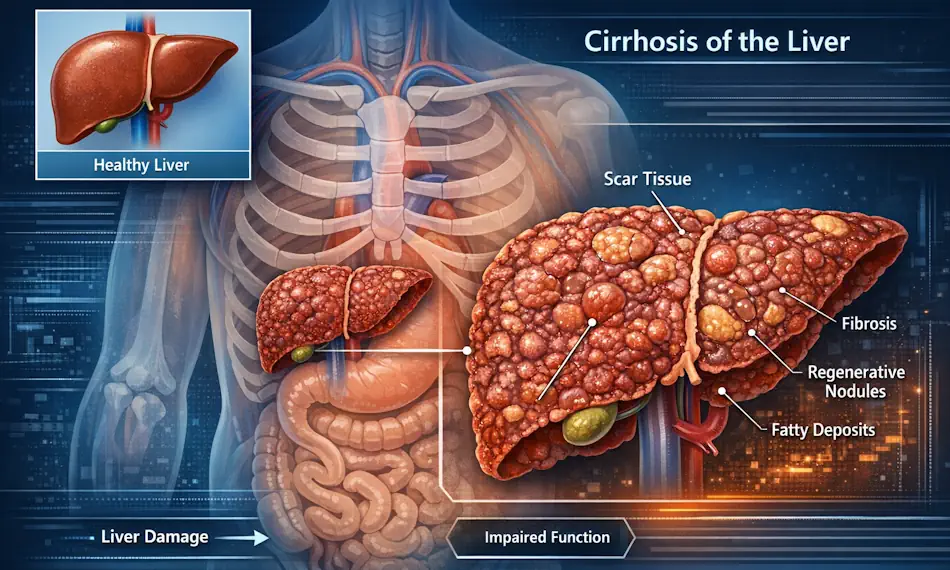
Figure 1: Cirrhosis is the advanced stage of liver disease, where healthy tissue is replaced by irreversible scar tissue, impairing vital functions.
[Image of liver cirrhosis pathology]
A Clinical and Personal Guide to Decompensation
Liver cirrhosis is the final common pathway of chronic liver injury. Whether caused by alcohol, viral hepatitis, or MASLD (fatty liver), the result is the same: healthy tissue is replaced by fibrotic scarring that distorts blood flow.
The Tipping Point: Compensated vs. Decompensated
- Compensated: The liver is scarred but still performing its primary functions. This stage can be “silent” for years.
- Decompensated: Marked by overt complications like ascites (fluid), jaundice (yellowing), or variceal bleeding.
As a patient living with decompensated cirrhosis, I have learned that “decompensation” isn’t a single event—it is a shift into a new phase of life that requires constant vigilance.
Portal Hypertension: The Root of Complications
As scar tissue blocks blood flow, pressure builds in the portal venous system. To compensate, the body reroutes blood through smaller, fragile vessels.
- Esophageal Varices: These are “pressure relief valves” in the throat. Because they are thin-walled, high pressure can cause them to burst.
- The Role of Banding (EVL): Endoscopic variceal band ligation is not a “one and done” fix. As I have experienced through more than ten procedures, repeated banding is a preventative strategy. It is not a sign of treatment failure; it is active maintenance.
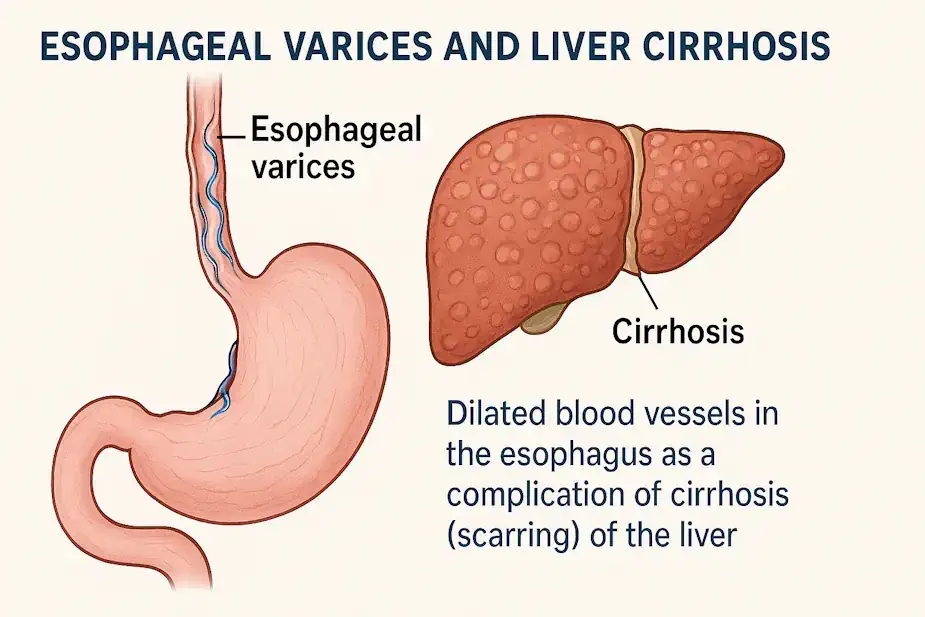
Figure 2: Dilated veins (varices) develop when cirrhosis increases pressure. Regular monitoring is essential for people with advanced liver disease.
[Image of esophageal varices banding]
Beyond the Liver: The Systemic Impact
Cirrhosis affects the entire biological ecosystem:
- Anemia and Breathlessness: A damaged liver produces fewer proteins and clotting factors. Chronic anemia means your blood carries less oxygen.
- Hepatic Encephalopathy (HE): When the liver fails to filter toxins like ammonia, they reach the brain. Consistent use of lactulose and rifaximin is the “Gold Standard” for preventing cognitive decline.
🧐 Advanced Liver Disease FAQ
Why do I need repeated variceal banding?
Banding treats the varices themselves, not the underlying portal hypertension. Because the pressure remains, new varices can form. Repeat sessions and ongoing surveillance help reduce the risk of a life-threatening bleed.
Can I live a full life with decompensated cirrhosis?
Yes. Stabilization through medication adherence and regular surveillance (endoscopy every 6–12 months) allows many patients to live for years post-diagnosis.
What does a rising MELD score mean?
The MELD (Model for End-Stage Liver Disease) score estimates short-term mortality risk based on lab values. It helps determine transplant priority, but it doesn’t always match how you “feel” day to day.
🎯 March 2026 Clinical Update: Liver Targets
Current advocacy for liver health emphasizes high-protein intake (1.2–1.5 g/kg) to prevent sarcopenia. Portal hypertension targets for varices now align with a systemic blood pressure of <130/80 mmHg.
💡 The Liver-Brain Connection
It is important to remember that metabolic health isn’t localized. Research into Alzheimer’s as Type 3 Diabetes shows that the same insulin resistance that complicates liver recovery can also lead to neuroinflammation.
📘 Mini Glossary
- HE (Hepatic Encephalopathy): Brain-related confusion caused by ammonia buildup.
- Albumin: A liver-produced protein that maintains fluid balance; low levels lead to swelling.
- Beta-Blockers (e.g., Carvedilol): Medications used to lower portal pressure.
- Compensated: Scarring exists, but the liver still “keeps up” with daily needs.
Professional Sources
- AASLD Practice Guidelines: Adult Liver Transplantation.
- Liver Fellow Network: ACLF: The Tipping Point.
- Clinical Trials Research: Long-term albumin therapy for decompensated cirrhosis.