The Great Protein Flip: Why 'Resting the Liver' in 2026 is Outdated
Muscle Matters: Rethinking nutrition for liver disease and why protein restriction is outdated in 2026.
By Tommy Douglas, Aging Health Independent Researcher
For nearly thirty years, seniors diagnosed with advanced liver disease (cirrhosis) were given a very specific, and terrifying, set of instructions regarding their diet: “Restrict your protein.”
The logic seemed sound at the time. The liver processes protein. If the liver is scarred and damaged, doctors thought they should lessen its workload by asking the body to digest less protein. We were told to “rest the liver.”
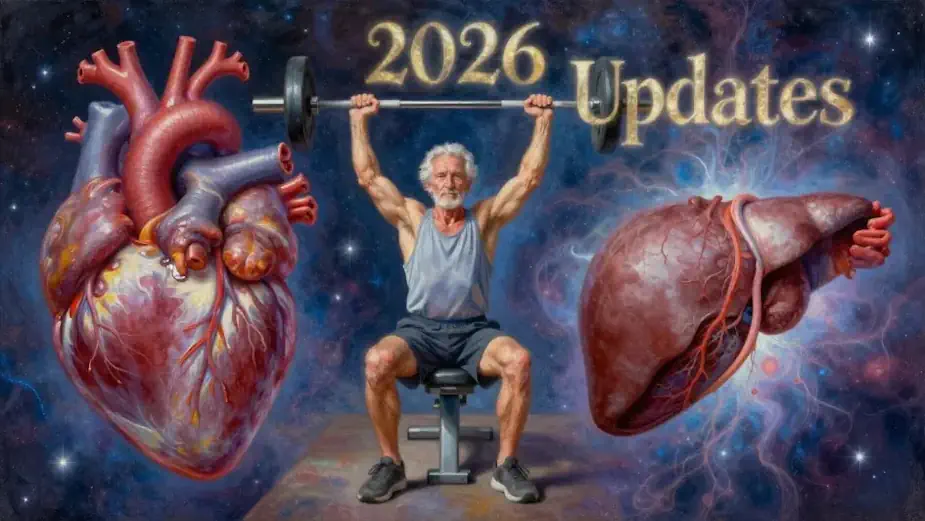
Figure 1: Modern health guidelines suggest that resting the liver by restricting protein is no longer effective. The focus has shifted to muscle preservation and metabolic support.
The science today says that for the vast majority of stable cirrhotic patients in 2026, that advice is wrong.
In fact, strictly following the old “protein restriction” model is one of the fastest ways a senior can develop extreme frailty, lose their independence, and worsen their long-term clinical outcome.
The Problem: Starving the Body to Save the Liver
When a senior limits their protein, the body doesn’t just stop needing it. Your body must have amino acids for your immune system, your brain, and even for repairing the liver itself.
If you don’t eat enough protein, your body starts a process of “internal cannibalism.” It begins breaking down your own biceps, quads, and core muscles for fuel. This leads to a life-threatening condition called Sarcopenia (extreme muscle loss).
In cirrhosis patients, muscle loss is the single strongest predictor of mortality, hospitalization, and a rapid decline in quality of life. Without muscle, seniors cannot recover from infections, they cannot balance, and they “fail to thrive.”
The 2026 Standards: Muscle is Medicine
We no longer want to “rest the liver” by starving the body. We want to empower the body to support the liver. Our muscles act as a secondary “filtration system” that helps the liver process toxins like ammonia. The more muscle you have, the less work the liver has to do.
🔬 The New Standard (Case Example)
Patient Profile: 72-year-old male with Stage 4 (Compensated) Cirrhosis. Weight: 80 kg (176 lbs).
| Metric | ❌ The “Legacy” Approach (Pre-2026) | ✅ The 2026 Advocacy Standard |
|---|---|---|
| Dietary Philosophy | “Restrict protein to lower liver stress.” | “Maximize high-quality protein to fight frailty.” |
| Protein Calculation | 0.8 grams per kg of body weight | 1.2 to 1.5 grams per kg of body weight |
| Daily Protein Goal | 64 grams per day | 96 to 120 grams per day |
“Protecting the Pipes”: The Blood Pressure Link
The dietary protein flip is only half the battle. If a senior has cirrhosis, they often develop Varices (swollen veins) caused by high pressure in the liver’s circulatory system.
Think of your blood vessels like a garden hose. High pressure pushes too hard through a “clogged” liver, risking a burst in the weak spots. Keeping systemic blood pressure below 130/80 is like turning down the tap—protecting those weak spots and keeping you safe.
Actionable Steps for the Proactive Patient
- Start the Conversation: Bring these clinical targets to your next hepatology appointment. Ask: “Is increasing my protein to 1.2–1.5 g/kg safe for my specific stage to protect my muscle mass?”
- Focus on Easy Digestion: The best sources create the least “waste product” (ammonia). Choose eggs, dairy (whey/casein), and lean vegetable-based proteins (soy, lentils).
- Spread it Out: Do not eat 120g of protein in one sitting. Aim for small, frequent snacks, including a high-protein snack right before bed to prevent the liver from cannibalizing muscle overnight.
- Monitor Your BP: If you have varices, talk to your doctor if your blood pressure is consistently above 130/80.
📘 Sarcopenia in Liver Cirrhosis
- The Mechanism: Cirrhosis creates a “metabolic starvation state” even with normal eating.
- The Shift: Muscle tissue becomes the backup detox organ for ammonia when the liver fails.
- The Risk: Sarcopenia is a silent mortality signal that predicts infections and falls.
- The Fix: Resistance training and a high-protein diet are first-line interventions.
💙 Metabolism & Muscle FAQ
1. What is “metabolic starvation in cirrhosis”?
It’s a state where the liver can’t store energy normally. The body turns to muscle tissue for fuel to keep blood sugar steady, speeding up muscle loss.
2. Why does ammonia cause muscle wasting?
When the liver can’t clear ammonia, muscle steps in as a backup detox organ. This process burns through amino acids and increases muscle breakdown.
3. Do BCAAs help with cirrhosis muscle loss?
Branched-Chain Amino Acids (BCAAs) can support protein synthesis and may reduce episodes of hepatic encephalopathy.
4. What is the best protein strategy?
Target 1.2 to 1.5 grams of protein per kg of body weight, plus a late-evening snack to prevent overnight muscle catabolism.
🔬 Science Note
Studies show sarcopenia is closely tied to NAFLD and liver scarring. Experts suggest routine screening with SARC-F and exercise to boost muscle and liver health. Muscle is now recognized as a metabolic organ, not just movement tissue.
Standard Medical Disclaimer
All content on Aging Health is for educational and research purposes only and does not constitute medical advice. Chronic liver disease requires management by a qualified hepatologist. Never make significant changes without consulting your medical team.
Clinical Citations
- Han SK, Baik SK, Kim MY. Protein and Macronutrient Metabolism in Liver Cirrhosis: About Sarcopenia. Nutrients. 2025.
- Sharma S, Goyal G, Sooch J. Malnutrition and Sarcopenia in Liver Disease. Handbook of Public Health Nutrition. 2025.
- Lăpădat M-V, et al. Gut Dysbiosis, Malnutrition and Sarcopenia in Liver Cirrhosis. Diseases. 2026.
- Zuo X, et al. Sarcopenia as a risk factor for NAFLD and liver fibrosis. Front Nutr. 2026.
Keywords: #PatientAdvocacy #LiverHealth #Sarcopenia #ClinicalNutrition #AgingHealth