The Big 6 of Health: Building a Vascular Safety Net
Nutrition, Movement, Connection, Sleep, Stress, and Mental Health: The six pillars that form the foundation of geriatric health literacy.
The Big 6: Strengthening Your Vascular Bridge
For the aging body, health literacy is a safety necessity. While we often focus on specific diagnoses—like portal hypertension or TIA risk—optimal health begins with strengthening six essential pillars.
These aren’t just lifestyle choices; they are the “Vascular Bridge” that supports every other medical intervention. In fact, consistent medical check-ups serve as the Seventh Pillar, ensuring your foundation remains solid.
Patient Advocate Note: These six pillars are the building blocks for a balanced lifestyle. Always consult your healthcare partner before making significant changes to your routine.
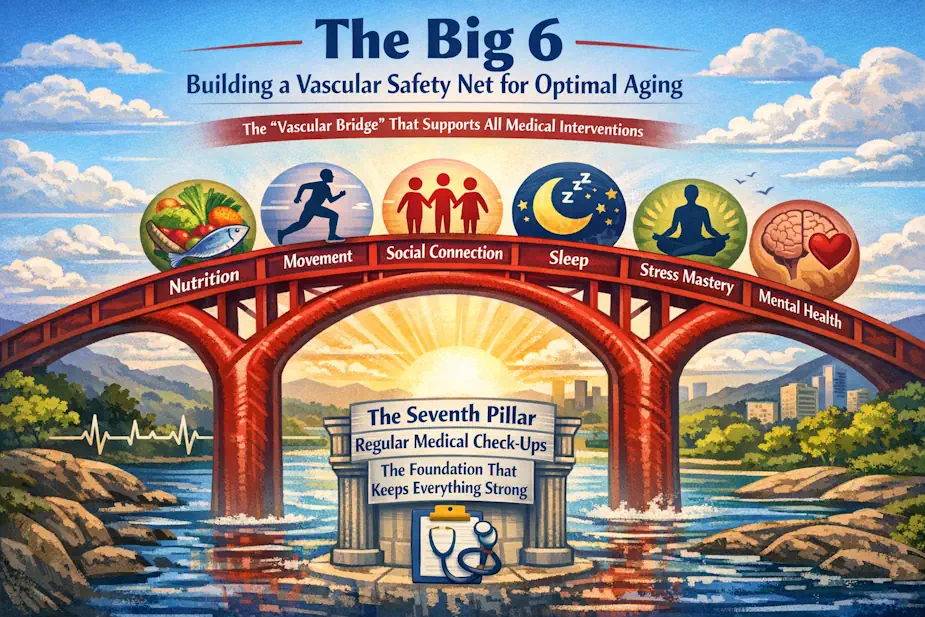
Figure 1: Building a foundation that supports the heart, liver, and brain simultaneously.
The Detailed Framework
1. Nutrition: Fueling the System
Nutrition is the primary fuel for vascular health. For seniors, this requires managing blood glucose to avoid “Type 3 Diabetes” (the Alzheimer’s connection) and ensuring the liver has the nutrients needed to manage clotting factors.
- 2026 Target: Mandatory protein intake of 1.2–1.6 g/kg is required to combat sarcopenia and support tissue repair.
- Hydration: Essential for maintaining blood volume and preventing pressure spikes.
2. Exercise: Movement as Medicine
Movement releases endorphins and reduces systemic inflammation. For seniors, modest, consistent activity—like a 15-minute walk—can significantly lower the risk of major depression and help manage cognitive focus.
3. Social Connection: The Power of Belonging
Isolation is a physiological stressor. Clinical studies show that strong social networks provide the “laughter and support” necessary for vascular resilience, directly impacting portal vein pressure and heart health.
4. Sleep: The Rejuvenation Station
During sleep, the body undergoes critical tissue repair and memory consolidation. For those at risk for mini-strokes (TIAs), restorative sleep (7–8 hours) is a non-negotiable component of blood pressure regulation.
5. Stress Mastery: Cultivating Resilience
Resilience is a skill, not a trait. Managing stress effectively lowers cortisol, which reduces the “pounding” effect of high pressure on cerebral vessels, maintaining Laminar Flow.
6. Mental Health: The Foundation
Mental health is the lens through which we view all self-care. It requires daily self-compassion and the wisdom to seek professional help when persistent stress begins to paralyze daily functioning.
📋 The Big 6: Daily Wellness Audit
| Pillar | Daily Goal Check |
|---|---|
| Nutrition | 1.2–1.6 g/kg Protein & Anti-inflammatory focus? [ ] |
| Movement | 15–30 minutes of modest activity? [ ] |
| Connection | Meaningful interaction with a loved one? [ ] |
| Sleep | Prioritizing 7–8 hours tonight? [ ] |
| Stress | 5 minutes for deep breathing or mastery? [ ] |
| Mental Health | Practiced self-compassion today? [ ] |
🧐 Clinical FAQ
1. Can nutrition lower blood pressure medication needs? While only a doctor should adjust meds, stabilizing nutrition reduces systemic inflammation, allowing the heart-brain bridge to function more efficiently.
2. Why stress mastery during a TIA recovery window? Stress triggers cortisol, which constricts sensitive brain vessels. Mastery ensures blood flow remains Laminar (smooth) rather than Turbulent (risky).
3. Is “Modest Movement” safe with heart history? Yes. Calibration is key. Keep your heart rate in a “conversational zone” to prevent pressure spikes while encouraging circulation. Refer to my Heart Attack Recovery Lessons for more on pacing.
🎯 March 2026 Clinical Update: Resilience Standards
- Protein Support: Mandatory senior intake increased to 1.2–1.6 g/kg (USDA 2026).
- Vascular Integrity: Maintain BP at <130/80 mmHg to protect the “Vascular Bridge.”
- Professional Advocacy: Your primary care provider is your partner in monitoring these pillars.
About the Researcher
Tommy T. Douglas is an independent health researcher and patient advocate. A survivor of a major heart attack who manages Type 2 Diabetes, he specializes in translating complex medical data into actionable health literacy.