Unlocking Brain Potential: Surprising Links Between Liver and Neurology
Why managing liver pressure protects your brain: Exploring the connection between portal hypertension, Carvedilol, and TIA prevention.
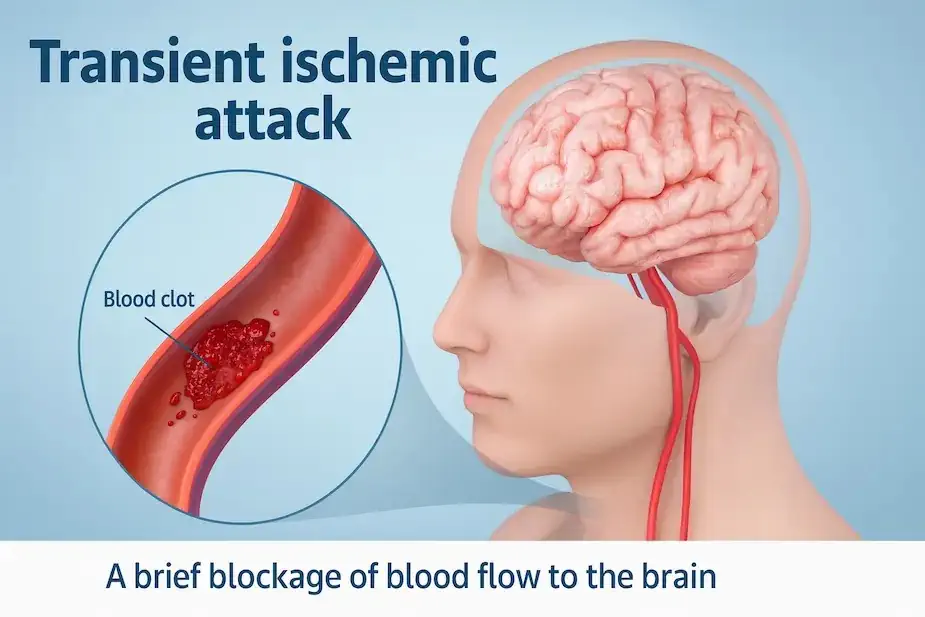
The Vascular Bridge: Managing Liver Pressure to Protect the Brain
A Transient Ischemic Attack (TIA), or “mini-stroke,” is a medical warning shot. While symptoms may vanish in minutes, the risk of a major stroke is highest within the first 48 hours. For those managing cirrhosis or portal hypertension, this window is even more critical.
Vascular Alert: A TIA is a medical emergency. If you experience sudden numbness, confusion, or vision changes, seek immediate emergency care.
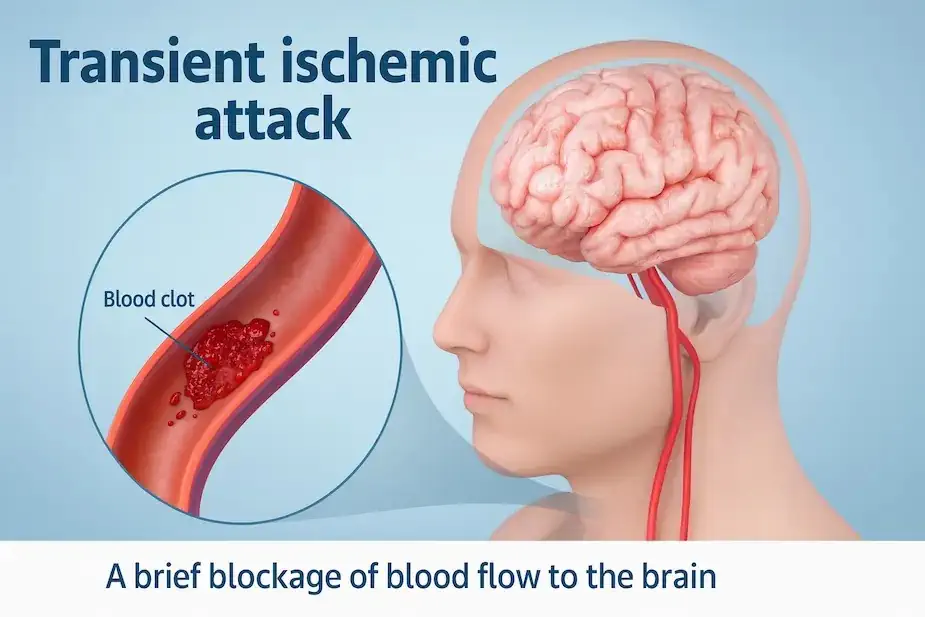
Figure 1: A temporary blood clot briefly blocks blood flow to the brain. In patients with liver disease, systemic pressure instability can increase the frequency of these events.
The Connection: Liver, Heart, and Brain
You might wonder what the liver has to do with stroke risk. The answer lies in your “internal plumbing”—the Vascular Bridge.
- Liver Pressure: When cirrhosis scars the liver, blood pressure builds in the portal vein (portal hypertension).
- The Heart’s Role: Medications like Carvedilol are often prescribed to “un-kink the hose” by relaxing liver vessels and calming the heart’s output.
- The Brain’s Safety: If systemic blood pressure is unstable due to liver complications, the delicate vessels in the brain are at higher risk for the turbulent flow that causes TIAs.
🧐 5-Question Clinical FAQ
1. Can Carvedilol lower the risk of a mini-stroke?
While primarily for heart failure or portal hypertension, Carvedilol protects the brain indirectly by stabilizing systemic blood pressure and reducing the “pounding” effect of high pressure on cerebral vessels.
2. Why is the first 48 hours after a TIA so critical?
A TIA is caused by a temporary blockage. However, the underlying cause (like a clot source or high pressure) remains. The statistical risk of a permanent stroke peaks during this immediate window.
3. Does liver cirrhosis complicate stroke recovery?
Yes. The liver produces essential clotting factors. Managing a TIA in cirrhosis patients requires a “Vascular Bridge” approach where liver pressure and brain circulation are monitored simultaneously.
4. Can “Brain Fog” be mistaken for a TIA?
High portal pressure can lead to Hepatic Encephalopathy, causing “brain fog” that mimics TIA symptoms. A clinical evaluation is essential to distinguish metabolic confusion from a vascular event.
5. How should I track my “Mental Clarity”?
Use a mental clarity log alongside your blood pressure readings. Identifying cognitive fluctuations helps your medical team make more precise adjustments to your metabolic protocol.
📋 48-Hour Vascular Action Plan
- Monitor “Brain Fog” vs. TIA: Record exact times of cognitive slips. Did symptoms vanish within 24 hours?
- Review Carvedilol Dosage: Ask your doctor if your levels are optimized for portal pressure and brain vessel stability.
- Standardize Targets: Ensure your systemic pressure is meeting the 2026 neuro-protective standards.
🎯 March 2026 Clinical Update: Vascular Integrity
- Blood Pressure Target: To protect the delicate cerebral micro-vasculature, aim for a systemic pressure of <130/80 mmHg.
- Protein Support: For those with liver involvement, maintaining a protein intake of 1.2–1.6 g/kg is essential to prevent muscle wasting (sarcopenia) and support vascular repair.
- Laminar Flow: The goal of treatment is to maintain “smooth” blood flow rather than “turbulent” flow that leads to blockages.
About the Researcher
Tommy T. Douglas is an independent health researcher and patient advocate. A survivor of a major heart attack who manages Type 2 Diabetes, he specializes in translating complex medical data into actionable health literacy.
🧩 Clinical Research Glossary
🔬 The Ammonia Audit
If you are experiencing sudden “fogginess,” it may not be a TIA. In patients with portal hypertension, ammonia buildup can cross the blood-brain barrier. Ask your doctor for a Serum Ammonia test and a Vitamin B12 screen to rule out metabolic mimics before assuming a vascular stroke.