Understanding Anemia: A Guide to Diagnosis, Treatment, and Advocacy
A patient-centered guide to anemia: Understanding why red blood cell counts drop, the 'Hepcidin barrier' in chronic illness, and the path to effective repletion.
Anemia: A Signal, Not Just a Diagnosis
Feeling persistently exhausted, short of breath, or mentally foggy is often dismissed as stress or aging. In reality, these symptoms may reflect a failure in oxygen delivery at the cellular level. Anemia—a condition defined by reduced oxygen-carrying capacity—is not a diagnosis in itself, but a signal that an underlying mechanism is failing.
Medical Disclaimer: This content is for informational and educational purposes only. It does not replace professional medical advice, diagnosis, or treatment. Always consult a qualified healthcare provider regarding any medical condition.
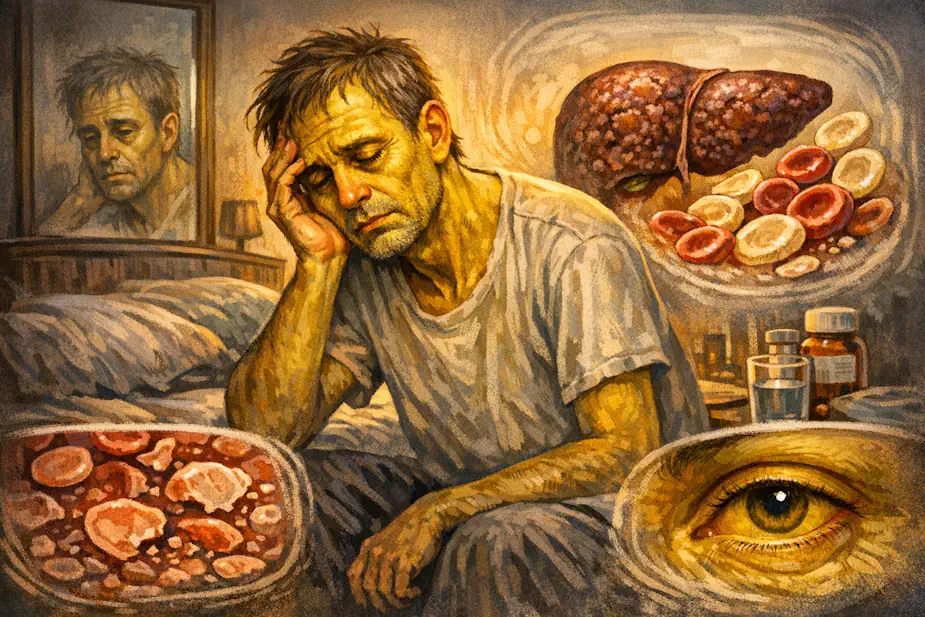
Figure 1: Severe anemia can lead to serious health complications, especially when paired with chronic illness.
🩸 My Lived Experience: The Cirrhosis-Anemia Cycle
In my own journey with Advanced Liver Cirrhosis, anemia has been a battle for survival. Over five years, my metabolic health was so compromised that I required seven intravenous (IV) iron infusions and one full blood transfusion.
For those with liver disease or chronic illness, anemia is often “multifactorial”:
- The Hepcidin Barrier: Chronic inflammation triggers the hormone hepcidin, which tells your body to “lock up” iron, preventing your gut from absorbing oral supplements.
- Portal Hypertensive Gastropathy: Microscopic bleeding in the stomach lining that drains iron stores slowly over time.
- Splenomegaly: An enlarged spleen that “traps” healthy red blood cells before they can do their job.
The Turnaround: I have maintained stable bloodwork for 24 months by shifting from oral supplements (which my body couldn’t use) to targeted IV therapy—a move driven by Clinical Health Literacy.
What’s Actually Happening?
Red blood cells are delivery vehicles. They transport oxygen bound to hemoglobin from the lungs to your tissues. When the production or survival of these cells is impaired, your organs compensate poorly, resulting in fatigue, palpitations, and cognitive shifts.
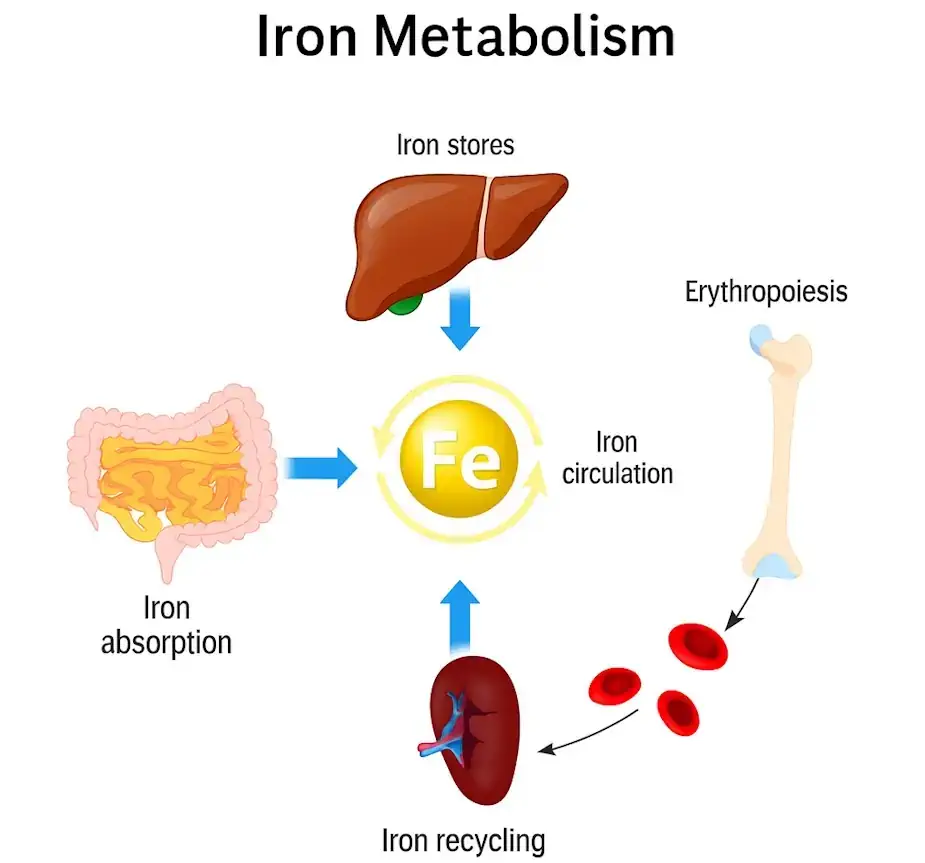
Figure 2: A visual representation of iron metabolism, showing the path from absorption to storage (ferritin) and utilization.
[Image of iron metabolism in the human body]
Interactive Decision Tree: Is This Relevant to You?
1. Start Here: Do you have low hemoglobin on repeat testing?
- No → Monitor for “Iron Deficiency without Anemia” (low ferritin).
- Yes → Were iron studies (ferritin, transferrin saturation) performed?
- No → Ask for a full iron panel before starting treatment.
- Yes →
- Low Ferritin: Iron-targeted therapy is likely needed.
- High Ferritin + Inflammation: Consider “Anemia of Chronic Disease” pathways.
2. Treatment Check: Have oral supplements caused side effects or failed to raise your levels?
- Yes → Discuss Intravenous (IV) Iron options with your hematologist.
📊 Comparison: Oral vs. IV Iron
| Feature | Oral Iron (Pills/Liquid) | Intravenous (IV) Iron |
|---|---|---|
| Absorption | Low (<10% in chronic illness) | 100% (Direct to blood) |
| Speed | Months (highly variable) | Days to Weeks |
| Gut Impact | High (Nausea, constipation) | None |
| Hepcidin Barrier | Often blocked by inflammation | Bypasses the gut barrier |
🧐 Anemia FAQ
1. Can I have symptoms with “normal” hemoglobin? Yes. Iron deficiency without low hemoglobin (IDWA) is common and can cause significant fatigue and brain fog.
2. Why did my oral supplements fail? In many chronic conditions, the body produces hepcidin, a hormone that blocks iron absorption in the gut. In these cases, taking more pills doesn’t help—the “door” is locked.
3. When is a blood transfusion necessary? Typically when hemoglobin drops below 7 or 8 g/dL, or if you are experiencing acute symptoms like chest pain or severe shortness of breath.
🎯 March 2026 Clinical Update: Resilience Targets
- Protein Support: To support the production of red blood cells and maintain lean mass, seniors must target 1.2–1.6 g/kg of high-quality protein daily (USDA 2026).
- Vascular Integrity: Maintain a systemic BP of <130/80 mmHg to ensure the heart doesn’t have to overwork to compensate for low oxygen levels.
- Ferritin Target: In patients with chronic inflammation, a “normal” ferritin level may still be too low. Discuss a “functional iron deficiency” screen with your specialist.
About the Researcher
Tommy T. Douglas is an independent health researcher and patient advocate. A survivor of a major heart attack who manages Type 2 Diabetes and Cirrhosis, he specializes in translating complex lab data into actionable health literacy.
🧩 Clinical Research Glossary
Professional Sources
- JAMA Network Open (2024): Absolute and Functional Iron Deficiency in the US.
- Nature Medicine (2025): Global Burden of Dietary Iron Deficiency.
- Nature Medicine (2025): Intravenous Iron Therapy for Heart Failure Patients.