Why Medication Consistency is Crucial for Hypertension
When 'just a nosebleed' is a warning sign: Exploring the dangers of inconsistent blood pressure care and the importance of steady regulation.
When “Just a Nosebleed” is a Warning Sign
We often think of high blood pressure as a numbers game we play at the doctor’s office. But as many families discover in the emergency room, those numbers have real-world consequences. A severe nosebleed can sometimes be the body’s “pressure relief valve” when blood pressure reaches dangerous heights.
Medical Disclaimer: This content is for informational and educational purposes only. It does not replace professional medical advice, diagnosis, or treatment. Always consult a qualified healthcare provider regarding any medical condition.
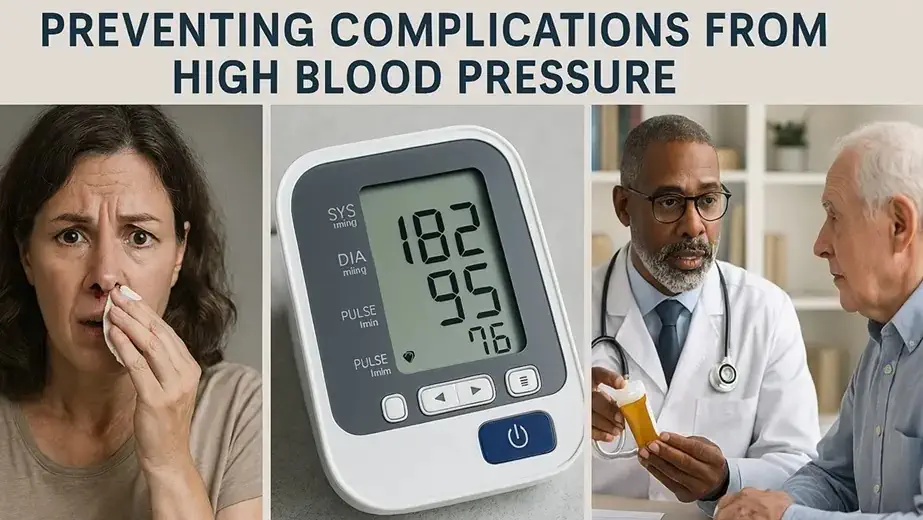
Figure 1: Following your medication instructions is the most powerful way to prevent serious complications like stroke or organ damage.
⚠️ The Dangers of “Feeling Fine”
High blood pressure is often called the “Silent Killer” because it rarely announces itself with pain or dizziness. Instead, it quietly strains the heart, kidneys, and brain vessels. Sometimes the first real warning isn’t chest pressure—it’s something as ordinary as a nosebleed that refuses to stop.
The Role of Routine
As we age, arteries naturally stiffen, and the heart works harder. Daily blood pressure medication acts like a steady hand on a steering wheel. When you skip a dose because you “feel fine,” you remove that hand, allowing blood pressure to “rebound”—often spiking higher than it was before treatment started.
📉 Personal Case Study: A Wake-Up Call
Recently, I had to rush my wife to the emergency room after a severe nosebleed that wouldn’t stop. When the nurse checked her blood pressure, the numbers flashed 205/107 mmHg.
We later learned she hadn’t been taking her maintenance medication consistently. It was a frightening reminder of how quickly “feeling fine” can turn into a hypertensive crisis (any reading 180/120 mmHg or higher).
🧐 10 Questions Seniors Actually Ask
- “Can high blood pressure cause a nosebleed even if I feel fine?” Yes. A sudden spike can break tiny vessels in the nose. It is a warning sign to seek clinical evaluation.
- “Is it dangerous to skip my pill when I feel good?” Yes. Blood pressure has no symptoms. Skipping doses causes “rebound” spikes that increase stroke risk.
- “What if my top number is high but my bottom number is normal?” This is isolated systolic hypertension. It is common in older adults and still requires treatment.
- “Why does my pressure go up when I’m in pain?” Pain activates stress hormones. Managing pain is a key part of blood pressure stability.
- “How long does it take for meds to start working?” Some work in hours; others take weeks to reach a “steady state” in your system.
📋 The “Stay on Track” Medication Checklist
- The “Anchor” Technique: Tie your pill to a daily habit (e.g., right after brushing your teeth or while the coffee brews).
- Visual Cues: Use a weekly “S-M-T-W-T-F-S” pill organizer. If the slot is full, you haven’t taken it.
- Travel Backup: Always keep a 2-day supply in your bag for routine disruptions.
- Pharmacy Sync: Ask your pharmacist about “Med Sync” programs to pick up all prescriptions on the same day.
🎯 March 2026 Clinical Update: Resilience Targets
- Standard Target: To protect the brain and heart, seniors should aim for a consistent systemic pressure of <130/80 mmHg.
- Protein Support: Maintaining 1.2–1.6 g/kg of protein supports the vascular integrity needed to handle blood pressure fluctuations.
- Laminar Flow: The goal of consistency is to maintain “smooth” (laminar) blood flow, preventing the turbulence that leads to vessel damage.
🧮 Quick BP Category Checker
Enter your numbers below to see your current clinical category.
About the Researcher
Tommy T. Douglas is an independent health researcher and patient advocate. A survivor of a major heart attack who manages Type 2 Diabetes, he specializes in translating complex medical data into actionable health literacy.
🧩 Clinical Research Glossary
Sources & Medical Standards
- American Heart Association: Understanding Blood Pressure Readings.
- Mayo Clinic: Hypertensive Crisis Overview.
- Journal of Clinical Hypertension (2026): Rebound Effects of Medication Inconsistency.